Is Building Your Own PC Still Cheaper in 2026?
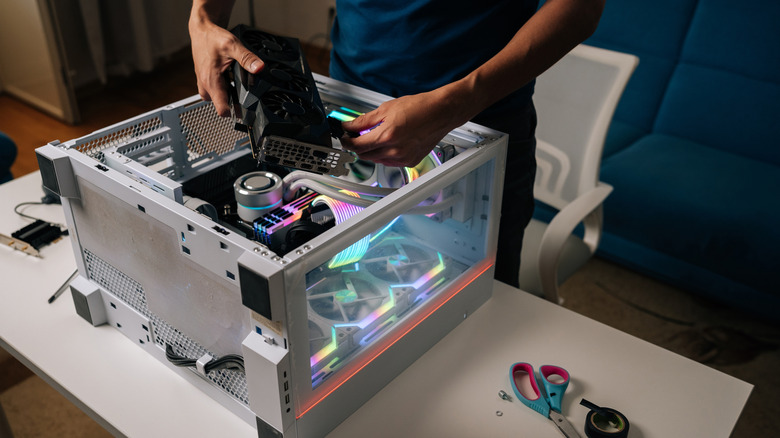
Building your own PC used to be the go-to option for those looking to customize their hardware. Instead of settling for a prebuilt system with components chosen by manufacturers, DIY builders could select each part based on their specific needs. Whether it was prioritizing a faster GPU over a more powerful CPU or choosing a particular brand for a component, the flexibility was unmatched. This approach allowed users to create a machine that perfectly suited their requirements, without paying for unnecessary features.
For many years, this level of customization was the main appeal of building a PC. It also offered a way to save money, as builders could focus on components that mattered most to them—like gaming performance or additional storage. Those on a tighter budget could mix mid-range parts to get a system that, while not perfect, was still capable of running most modern games.
However, the situation has changed dramatically in recent years. The surge in demand for memory chips and other components to support AI infrastructure has led to significant shortages. This has caused prices for RAM, particularly DDR5, to skyrocket. Even older DDR4 kits, which were once a budget-friendly option, have seen their value drop. GPUs and SSDs have followed the same trend, making it much more expensive to build a PC than it was before.
The Cost of Building a PC Has Skyrocketed
The rising costs have made it difficult for DIY builders to find affordable components. For example, 32GB of RAM, which is now essential for playing modern games, can cost over $300. This is a sharp increase from early 2025, when a similar 2x16GB memory kit could be purchased for around $100 to $130. Similar price hikes have affected SSDs and GPUs as well.
This combined effect has made the math for building a PC less favorable for those on a budget. According to some reports, a solid gaming build that once cost under $1,000 now approaches $1,250, not including the cost of an operating system license. While some may look to the used parts market for savings, even these prices are rising, and there's a risk of purchasing defective components.
Prebuilt PCs Offer Better Value Right Now
Prebuilt PCs now have a clear advantage over DIY builds, as large manufacturers have been able to secure components at lower prices due to bulk purchasing. Many retailers, such as Costco, are offering prebuilt systems that beat DIY prices, with solid specs at affordable prices. For around $1,000, you can get a system with 32GB of DDR5, a decent GPU, and other quality components from brands like CyberPowerPC.
Of course, there are trade-offs to buying a prebuilt PC. These systems often come with hardware that offers limited room for future upgrades. If you're planning to upgrade the GPU or RAM, you might find it difficult due to proprietary motherboards and limited power supplies. In many cases, upgrading could end up costing as much as a DIY build—or more.
Alternative Options for Gamers
If you're not looking to use a PC for anything beyond gaming, consoles like the PS5 or Xbox Series X are also viable options. These devices can run most current games at decent settings, and they do so at a fraction of the cost of a high-end PC.

Post a Comment for "Is Building Your Own PC Still Cheaper in 2026?"
Please Leave a wise comment, Thank you