Xanadu and AMD Partner Before Trading Debut. Quantum Computing Meets Aerospace.
The Rise of Hybrid Computing
Supporters of quantum computing often highlight its potential for real-world applications, but skeptics remain uncertain about when these benefits will become tangible. Recent research by a quantum-computing company and Advanced Micro Devices (AMD) may signal that these applications are already emerging.
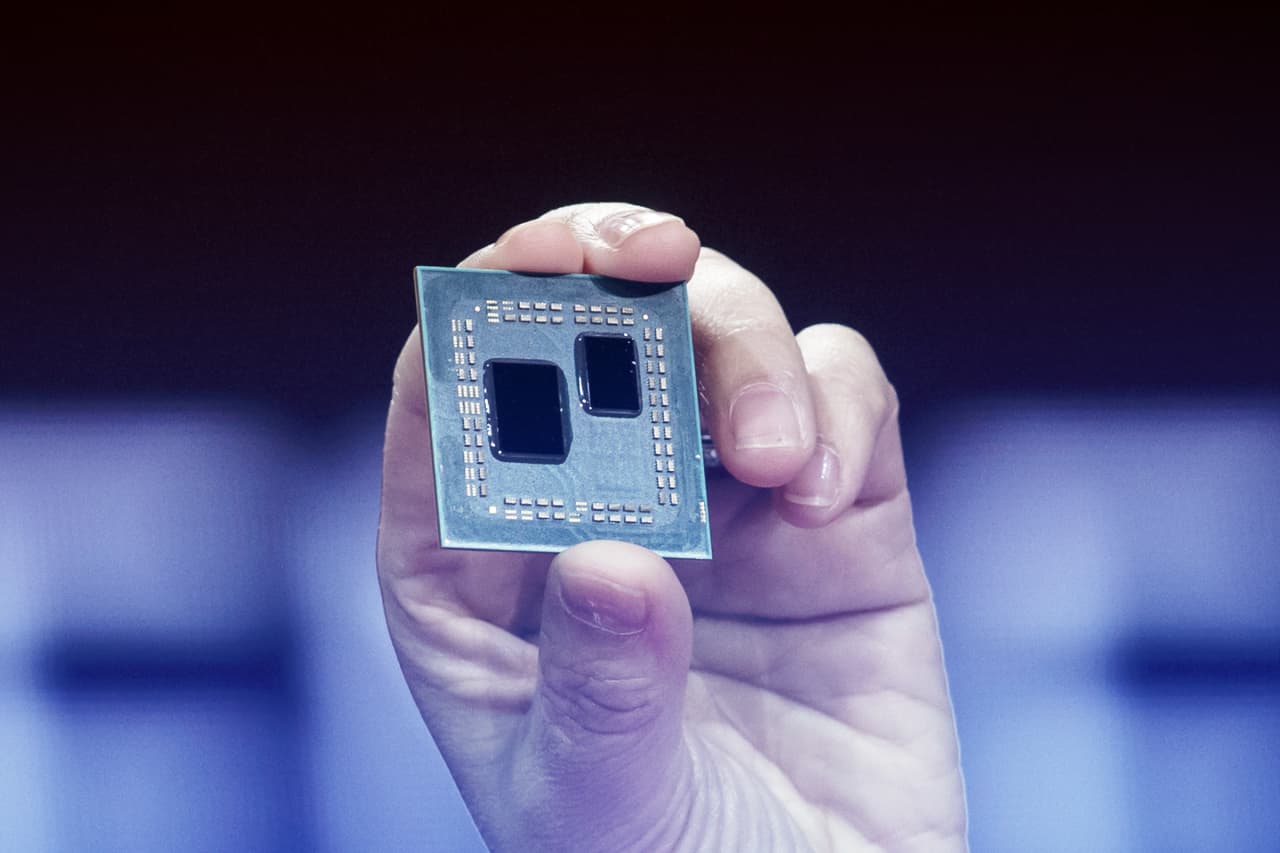
Xanadu, a Canadian company preparing to list its shares in the U.S. later this year, has partnered with AMD to conduct an advanced simulation on hybrid infrastructure. This collaboration was announced on Tuesday, showcasing how quantum computing can integrate with existing technologies.
By using Xanadu’s quantum programming software, PennyLane, on AMD’s high-performance computing infrastructure, researchers enhanced the performance of a key algorithm known as the quantum singular value transformation. This algorithm has practical applications in aerospace engineering, demonstrating the growing relevance of quantum technology.
While quantum computing is not expected to replace traditional infrastructure, it aims to integrate with it, leading to what is known as hybrid computing. This approach combines the strengths of both classical and quantum technologies.
“GPUs didn’t wipe out the need for CPUs, and they’re used interchangeably for different problems,” said Xanadu CEO Christian Weedbrook in an interview with Barron’s. “That’s a type of hybrid computing. We’ve got CPUs, GPUs, and the next big one will be quantum processing units.”
Hybrid computing often results in significant speed improvements. In this case, moving from a traditional central processing unit to a single AMD graphics processing unit reduced simulation time by 25 times, according to the companies.
“Our result ties into that bigger picture, which is pushing for the ability to get to that large-scale quantum computer, which is needed in order to have a transformational effect,” Westbrook added.
The Quest for Fault-Tolerant Quantum Computers
Scientists are focusing on developing fault-tolerant quantum computers, which can operate even if individual components fail or face environmental disruptions. While this technology is not yet fully realized, errors tend to increase as systems scale up.
Fault-tolerance is considered the final hurdle before quantum computers become widely commercialized. Major companies like International Business Machines (IBM) are targeting the end of the decade for this breakthrough.
The experiment with AMD highlights the broader significance of quantum computing beyond aerospace. It serves as a reminder that the technology has real-world applications and is no longer just a theoretical concept.
AMD's Investment in Xanadu
AMD is showing strong confidence in Xanadu’s future. In addition to their months-long partnership, AMD has been named a lead strategic investor in the company, which is set to go public this quarter.
Xanadu plans to merge with Crane Harbor Acquisition Corp., a publicly traded blank check company, to enter the public market. The merger will be funded by $225 million from Crane Harbor’s trust account, with an additional $275 million coming from a group of investors, including several Canadian banks and AMD.
Last week, the Securities and Exchange Commission declared effective a joint registration statement for the proposed business combination, indicating that the process is progressing smoothly. The combined company’s shares will be listed on both the Nasdaq Stock Market and the Toronto Stock Exchange under the ticker “XNDU.”
Post a Comment for "Xanadu and AMD Partner Before Trading Debut. Quantum Computing Meets Aerospace."
Please Leave a wise comment, Thank you