Why Hoppers is Pixar's Most Unconventional Film
A New Look for Pixar: Hoppers Breaks the Mold
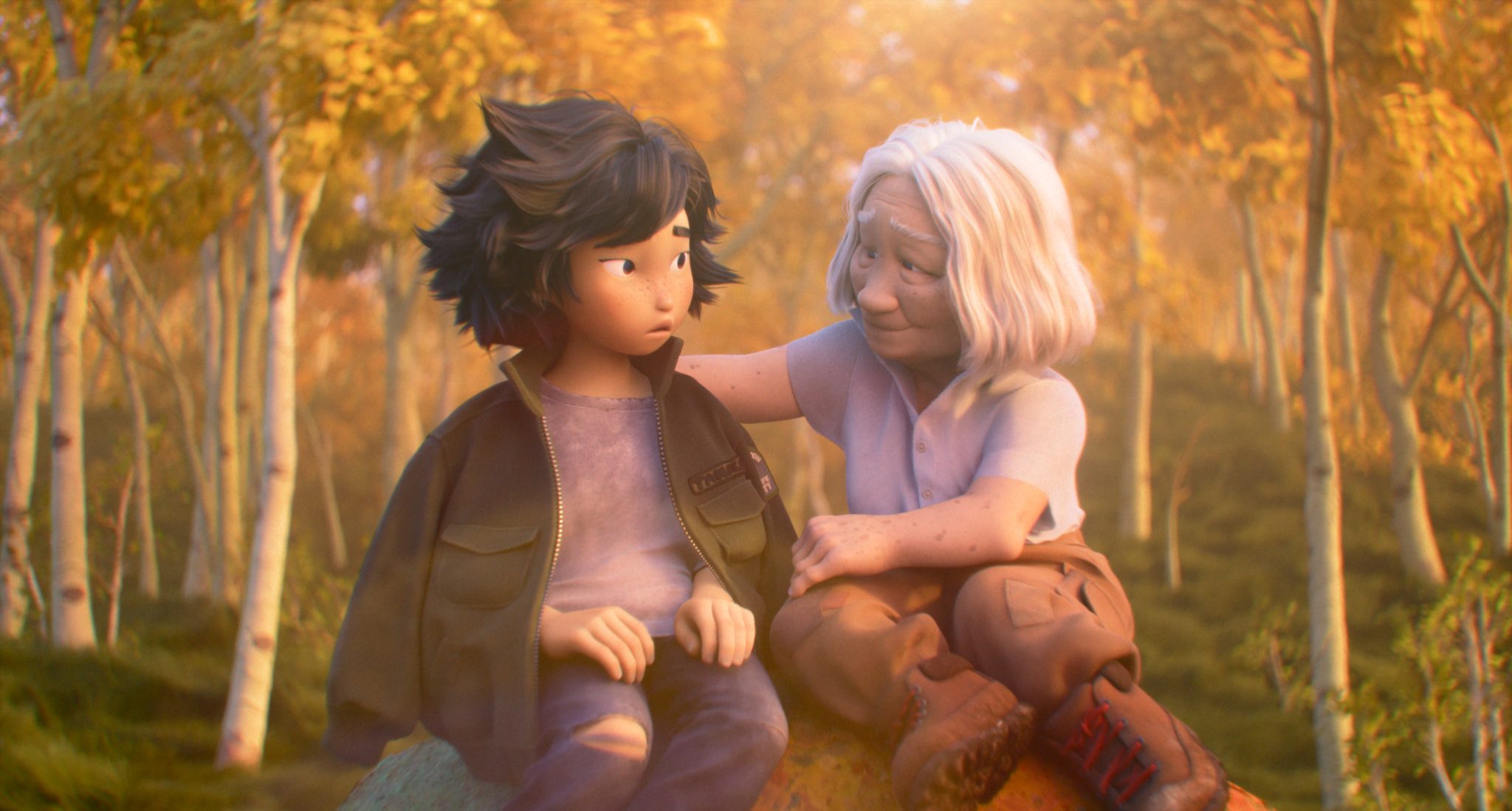
Pixar has once again proven its ability to innovate, and with the release of Hoppers, the studio has taken a bold step in redefining its visual identity. This film marks the first major project since Elio and introduces a unique blend of science fiction and environmental storytelling. At the heart of the story is Mabel Tanaka, a young student who finds herself transferred into a robotic beaver, allowing her to communicate with animals and protect their habitat from destruction.
The film’s premise is a refreshing departure from traditional Pixar narratives, offering a quirky sci-fi twist that challenges the expectations of both fans and critics alike. What makes Hoppers even more intriguing is its visual style, which diverges significantly from the hyperrealistic animation that has become synonymous with the studio.
A Shift in Animation Style
For years, Pixar has embraced 3D realism, pushing the boundaries of technology to create lifelike characters and environments. However, Hoppers represents a conscious shift toward a more stylized approach. The animation features chunkier, rounder characters, softer surfaces, and more controlled color palettes. These choices contribute to a cozy, handcrafted atmosphere that feels almost tactile, as if the world itself is made of plush toys brought to life.
This stylistic change is not just aesthetic; it serves a deeper purpose. Director Daniel Chong, known for creating We Bare Bears for Cartoon Network, has clearly influenced this new direction. According to screenwriter Jesse Andrews, the decision to make the movie visually distinct was intentional. “We wanted to be honest about the intensity of nature rather than avoid its more grisly side,” she explained.
Honesty in Storytelling
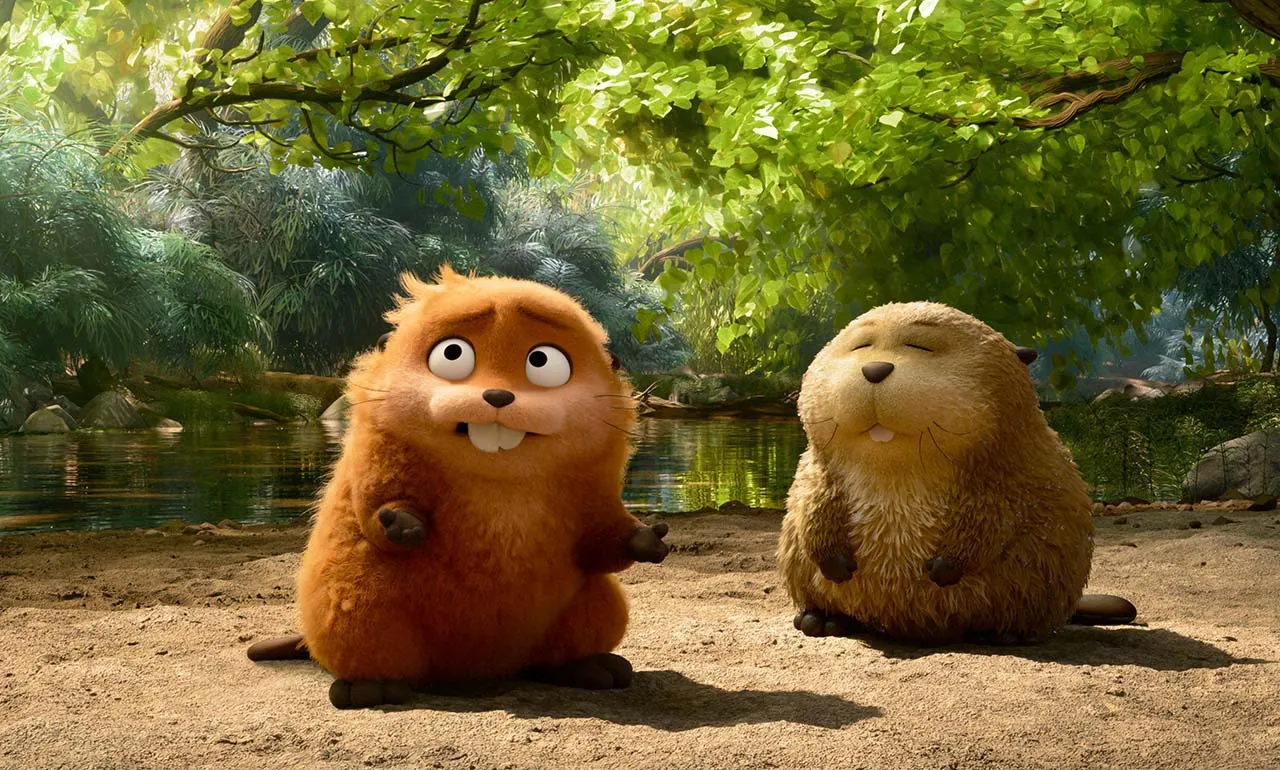
The film also takes a different approach when it comes to portraying animals. Unlike many animated movies that treat animals as human-like characters, Hoppers strives to keep them as animalistic as possible while still making them relatable and funny. This philosophy is reflected in what is known as "Pond Rule No. 2": “When you gotta eat, eat.” As producer Nicole Paradis Grindle noted, the team avoided the common trope of making animals feel like humans in animal suits.
Character Art Director Anna Scott emphasized the importance of simplicity in design. She described the characters as being built from “beans and circles,” resulting in soft, rounded shapes that are both endearing and expressive. Early explorations experimented with more exaggerated forms, but the final designs achieved a tonal balance between humor and emotional depth.
The Role of Color and Lighting
Color scripting played a crucial role in shaping the look of Hoppers. Shading & Lighting Art Director Hye Sung Park revealed that the team used hundreds of painted thumbnails to map out the mood for each sequence. This process helped maintain a consistent visual language throughout the film, ensuring that backgrounds never overshadowed the characters.
Saturation levels were carefully controlled to preserve the comedic timing and expressive acting. When the tone of a scene changes, it is always tied to a specific story beat, such as using higher-contrast colors during character introductions or pivotal moments in the narrative.
Creating a Natural World
Landscapes are another key element in Hoppers’ art style. The team aimed to evoke a sense of being in nature without the harshness of a fully 3D environment. “We wanted people to feel relaxed and connected,” said Paradis. “We wanted the characters to pop in that space.”
To achieve this, the visual effects (VFX) team developed a new technological workflow. Visual effects supervisor Beth Albright explained that they had to ensure everything spoke the same visual language while maintaining the scale of nature. This involved turning individual leaves into points and replacing them with painted brushstrokes, preserving vibrant color detail while adding an artistic texture.
A Glimpse into the Past
Interestingly, director Daniel Chong shared a clip of a 2D animation test for Hoppers created by Lorenzo Fresta back in 2020. The short scene, reminiscent of Studio Ghibli’s serene style, shows two beavers floating down a river, hinting at the film’s potential aesthetic.
As Pixar continues to evolve, Hoppers stands as a testament to the studio’s willingness to experiment and push creative boundaries. With Toy Story 5 on the horizon and the success of Zootopia 2, it seems that Disney and Pixar are indeed back in full force.
Post a Comment for "Why Hoppers is Pixar's Most Unconventional Film"
Please Leave a wise comment, Thank you