Microsoft CEO Tells Xbox: "We're All In on Gaming. We'll Keep Investing."
 Phil Spencer, a long-time Microsoft veteran and the former leader of Xbox, recently retired, making way for Asha Sharma as the new CEO. This transition has placed Xbox at a pivotal moment in its history. The brand has faced challenges, particularly due to the decision to move exclusive content such as Halo, Gears of War, Forza, and soon Fable to PlayStation. This shift has raised questions about Microsoft's commitment to maintaining Xbox as a distinct brand. Without these exclusive titles, it seems that Xbox lacks a unique identity that could ensure its long-term success.
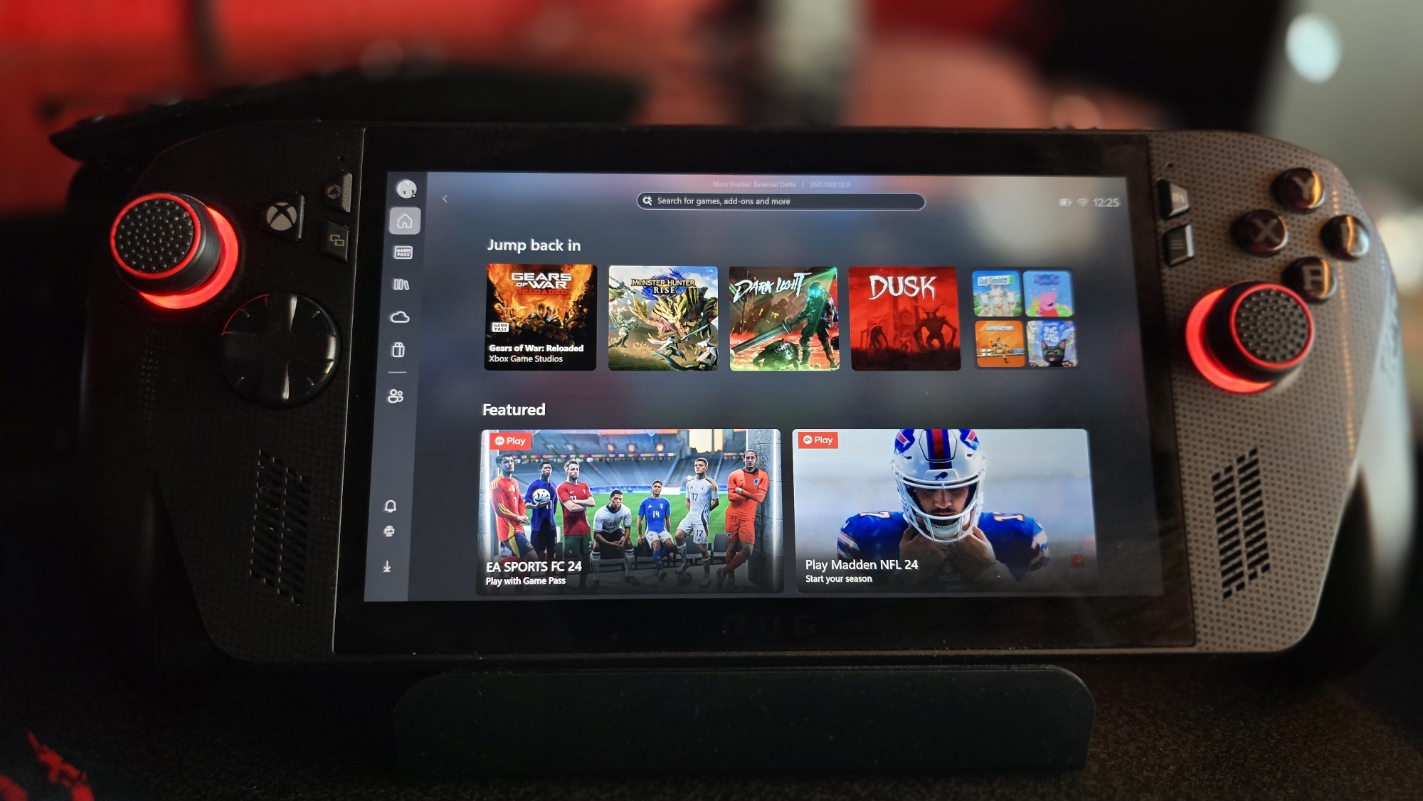
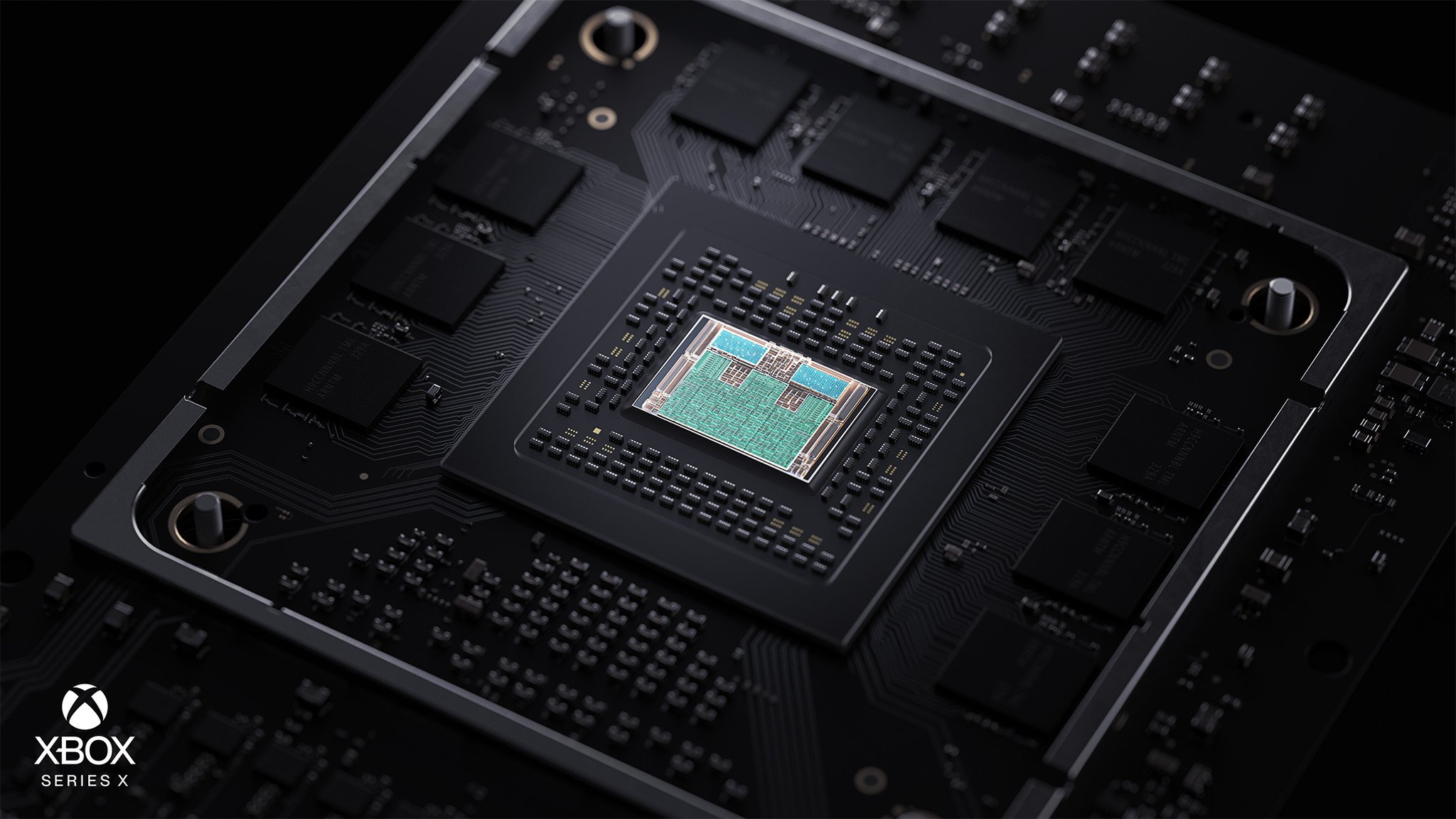
In response, Microsoft has formed a significant partnership with AMD to develop an Xbox-Windows hybrid console. This new console will not only support Xbox games but also run full PC games from the Windows marketplace. The upcoming Project Helix is seen as a promising development, and according to insiders, the atmosphere at Xbox is more energized than ever.
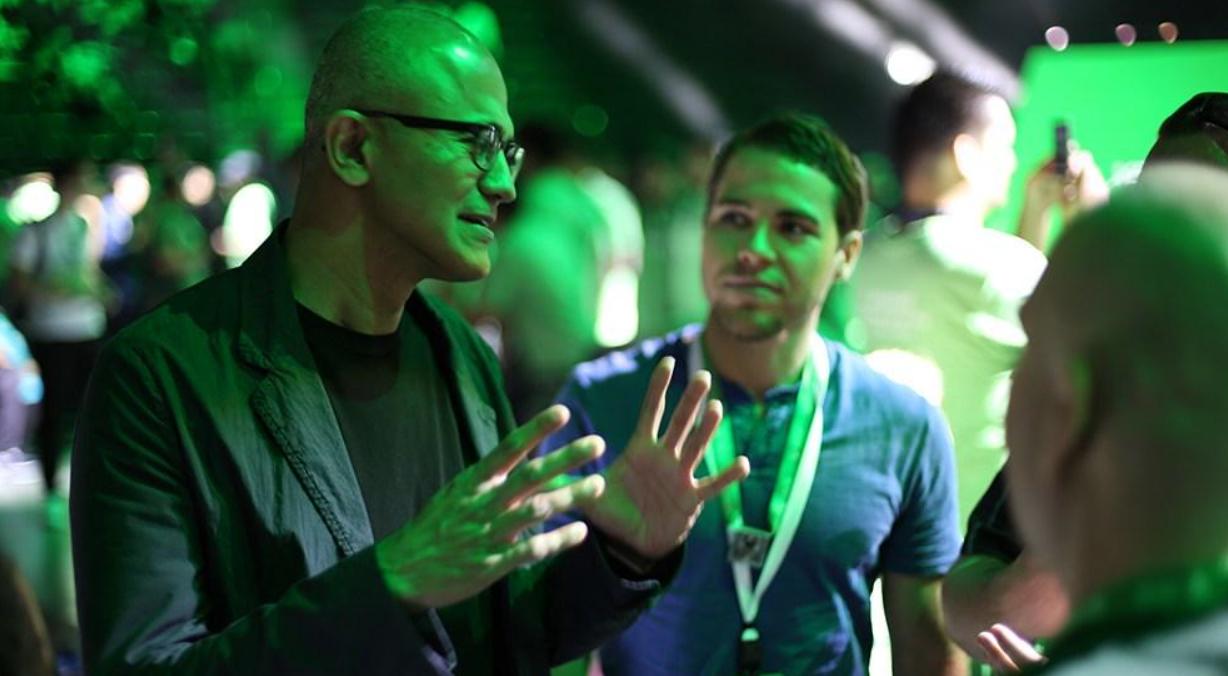
 This week, Asha Sharma was joined by Microsoft CEO Satya Nadella during an internal Q&A session discussing the company's vision for gaming. Wearing an Xbox hoodie, Nadella expressed his enthusiasm for the Xbox division. He reflected on his initial doubts about his understanding of cloud and infrastructure when he first became CEO, highlighting how Microsoft has since become a global leader in the field. Nadella emphasized that gaming remains one of Microsoft's most significant investments, representing a long-term commitment.
"There are core identities in this company. I don't think Microsoft will exist without these identities continuing to thrive. We're a platform company, a developer company. Being a knowledge worker company, and gaming. These are the main identities of what Microsoft has always meant, and will always mean. Therefore, we need to take that — we don't take it for granted. We need to renew it. I'm really thankful to Matt [Booty] and Phil [Spencer] and Sarah [Bond], and all of you who have built this franchise into its 25th year."
Sharma thanked Nadella for the opportunity, acknowledging the uniqueness of Xbox. She praised the Xbox team, noting that over 10% of the team had been with the company for more than twenty years. This highlights Microsoft's long-term approach, echoing Nadella's comments on being "long on gaming," and she asked him to elaborate on that point.
"Frankly this applies to anything that we do. We should be in the core of what we do here for gaming's sake. It's not about anything other than being just an excellent company, and an excellent steward for what it means to produce great games, produce great systems and hardware."
 Nadella emphasized the legacy and influence of gaming on Microsoft and the broader technology stack. He highlighted how gaming has driven advancements in cloud computing, Windows, and GPU-based server technologies. However, he also stressed that Microsoft will not abandon what people expect from gaming.
"The trickle from that excellence to the rest of the company becomes straightforward. I joke with [NVIDIA CEO] Jensen Huang, if it wasn't for gaming [NVIDIA] wouldn't exist. Think about it, without DirectX, I don't think the entire GPU revolution, or the acceleration would've happened."
"That's why I'm long on it. Phil, he's always talked to me about how gaming is the largest entertainment category — what is gaming in its most expansive form going forward? This doesn't mean we walk away from people are doing today — when we think about a AAA game on a console. The question is about where else can we go to extend that. For me, we're long on gaming. We'll continue to invest, and we'll always do so. It's up to this team to show an excellence in execution, and creativity. Software always carries risk, but this is software with lots of creation risk. It's way different. But yet, we have to be the best-in-class at it."
"For me, we're long on gaming. We'll continue to invest, and we'll always do so."
 Xbox CEO Asha Sharma discussed her time spent with different teams at Xbox, emphasizing Microsoft's historical role as a software company "factory." She noted that great games cannot be "manufactured" but must be "crafted" by humans. "I'm spending a lot of time thinking about how I can empower these worlds, these stories, and these characters," she said, asking Nadella for his thoughts on Microsoft's responsibility to protect the Xbox fanbase.
"The storytelling," Nadella began, "why do we love games? They tell the stories, the mythologies that make us who we are. Getting down to that core, the craft that goes with it, this is the place where we have to get the cultural zeitgeist and then have it manifest in everything that we do. In the games, in the marketing approach, everything that we do in this brand represents that."
Nadella mentioned that he hopes other parts of Microsoft can learn from Xbox, stating that "at its best, Xbox lifts the entire company" due to its consumer-facing nature. He shared anecdotes about how some of Microsoft's enterprise customers want to meet him specifically because they are Xbox customers at home. Gaming, he said, "emotionally touches us," and he wants that aspect of Microsoft to exist "always."
 Asha Sharma acknowledged the difficulties Xbox has faced, noting that the industry is in a transition phase. She stated that "everything is being relitigated" regarding Xbox's strategy, echoing recent discussions where she mentioned investigating past decisions. The conversation focused on where gaming will go next, but Nadella cautioned against losing sight of what Xbox already has.
"We have to make sure that the friends we have today, are the friends that you have tomorrow," Nadella said of Xbox's existing customers. "You want to wake up feeling like your friendship has even grown stronger. We have to really make sure, whether it's console, whether it's PC, whether it's the lover of Forza, Halo, we really want to make sure they love us for what they expect us to do."
Nadella spoke about how gaming can be a force for good, criticizing the "doom-scrolling" culture that has taken over free time. He emphasized the importance of active engagement hobbies like gaming and coding, suggesting they can improve the world.
"Attention is the finite thing humans have. How can we earn permission, tastefully, for more of that attention? It brings joy back ... that's the thing I always think about. Gaming is an active engagement. It's not that passive 'scrolling' on things, and so on. I do want us to be the ones to bring back that active engagement. That's what console and PC represents in some sense. Why do people love the controller, the console, or their PC ... it's because you're immersed. I look at the reports. The level of hijacking of our attention that's going on ... I want us to reverse that. Joy in coding, joy in gaming, that's all I want us to live in. If we can bring that back, I think the world would be a better place for it."
 Based on conversations with Xbox staffers over the years, it seems that Nadella's comments may be long overdue. While I have had a critical view of how Nadella has handled aspects of Microsoft's business, including AI tools and the Surface brand, it appears that Microsoft has recognized the need to refocus.
"I want us to keep rediscovering that moment. The games people love, the consoles and systems people love, and really just doing the best job we can as a company. That's it. And that's all I want us to do," Nadella said in closing.
"For those fans who have counted on us, I just want to make sure that we live up to what they expect of us. I know there's a lot of feedback ... believe me, I'm on Twitter too sometimes ... but I really think it's that passion, though, that they have. This is the base of folks who just want us to do a fantastic job, of really doing what we're meant to do as team Xbox."
The realization and acknowledgment of negative consumer sentiment seem to be spreading across other Microsoft divisions beyond Xbox. Contacts in Microsoft's AI and Windows stacks have spoken about the renewed energy within the company, partly due to a general re-focusing on improving Microsoft's position.
Hearing directly from Nadella that the firm will "always" invest in gaming should reassure those concerned about Microsoft's long-term commitment. Despite ongoing challenges, including a lack of effective marketing, the loss of exclusive content, and hardware production issues, Project Helix could provide the catalyst needed for Xbox to regain its edge.
Should Xbox have exclusive games? The debate over this issue has resurfaced with Asha Sharma's leadership. What are your thoughts?
Join us on Reddit at r/Gadget Daily Hub to share your insights and discuss our latest news, reviews, and more. Like this article? For more stories like this, follow us on MSN by clicking the +Follow button at the top of this page.
Post a Comment for "Microsoft CEO Tells Xbox: "We're All In on Gaming. We'll Keep Investing.""
Please Leave a wise comment, Thank you