Hard Data Debunks Myth: Wind Farms Don't Kill Birds
What the Numbers Actually Show
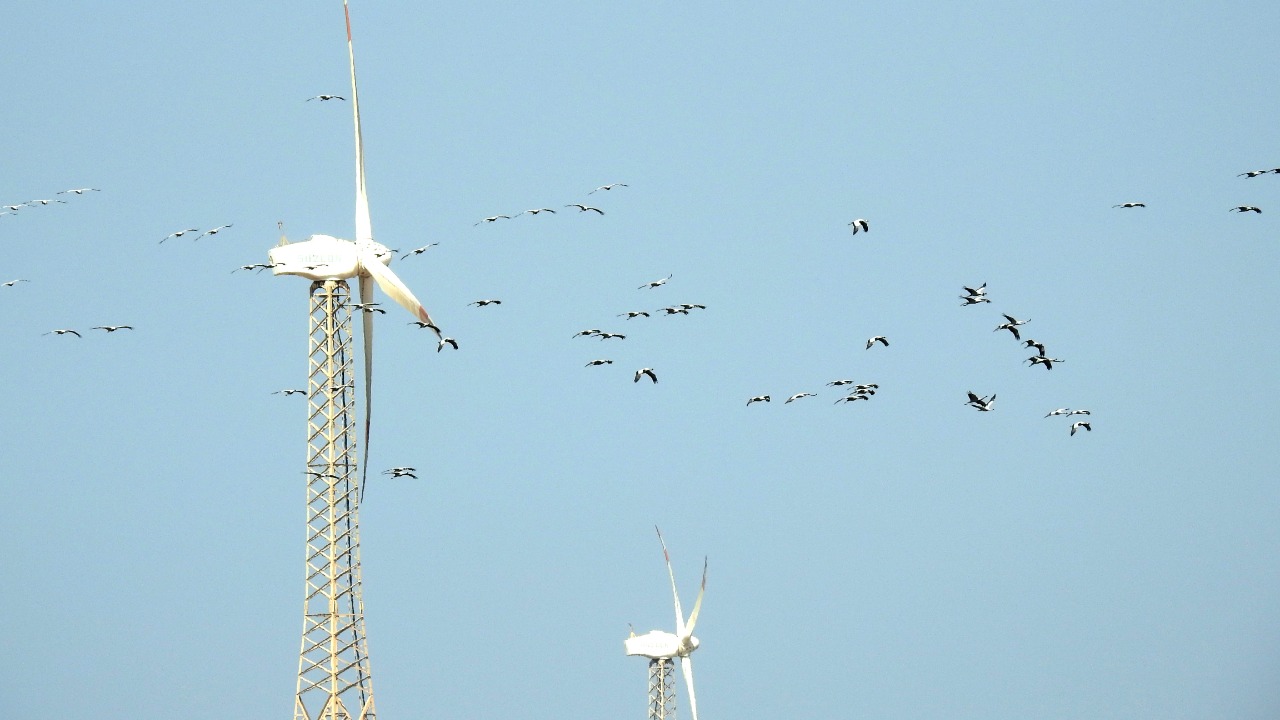
Wind turbines do kill birds, but the extent of this impact is often exaggerated. Peer-reviewed studies have shown that wind farms are not the primary cause of avian mortality in the United States. According to a comprehensive analysis published in Biological Conservation, the number of bird collisions with wind turbines is relatively small when compared to other human-related causes such as cats, buildings, vehicles, and power lines.
The American Bird Conservancy estimated that around 1.17 million birds die annually due to turbine collisions in the U.S. This figure, while significant, is still a fraction of the total number of bird deaths caused by human activities. The Pacific Northwest National Laboratory’s Tethys database provides further insight, showing that other sources like buildings, vehicles, and power lines contribute far more to avian mortality.
Cats, Glass, and Cars Kill Far More
One of the most surprising facts is that domestic cats are the leading cause of bird deaths in the U.S. A study published in Nature Communications estimated that free-ranging cats kill up to 2.4 billion birds annually. This number dwarfs the impact of wind turbines, which kill only a fraction of that amount.
Buildings also play a major role in bird mortality. During migration, reflective glass and nighttime lighting can disorient birds, leading to millions of window strikes each year. Vehicles and power lines add to the toll, with millions more birds killed annually from collisions with cars and power lines. These threats are often overlooked because they occur on a daily basis and are less visible than the dramatic image of a dead bird at the base of a turbine.
Why the Myth Persists
Despite the data, the myth that wind turbines are responsible for large-scale bird deaths persists. One reason is that a dead eagle at a turbine site is a powerful visual that captures media attention. In contrast, the billions of birds killed by cats and glass go largely unnoticed. Political opponents of renewable energy have also contributed to this narrative by highlighting isolated incidents without providing context.
There is, however, a legitimate concern regarding certain raptor species, such as golden eagles and hawks, which face higher risks at poorly sited wind facilities. While these concerns are valid, they should not be generalized to all wind farms. Proper siting and management can significantly reduce these risks, ensuring that wind energy remains a viable and sustainable option.
Engineering Fixes That Cut Collision Rates
Researchers have developed practical solutions to reduce bird collisions with wind turbines. A study published in Ecology and Evolution found that painting one blade of a turbine black increased visibility for approaching birds, resulting in a significant drop in collision rates. This simple modification demonstrates that even minor design changes can have a meaningful impact.
In addition, technology-based deterrents are being explored. Radar and camera systems can detect approaching flocks or raptors and trigger temporary turbine shutdowns. Acoustic and ultraviolet cues are also being tested as tools to steer birds away from high-risk areas. These innovations offer promising ways to minimize the environmental impact of wind energy.
The Bigger Threat Wind Power Helps Avoid
Critics often focus on the direct impact of wind turbines on birds, but it's important to consider what wind power displaces. Fossil fuel combustion contributes to climate change, which has devastating effects on bird populations. Rising temperatures, shifting habitats, and more frequent extreme weather events all threaten avian species.
By generating electricity without emitting carbon dioxide or air pollutants, wind power helps reduce the need for fossil fuels. Studies show that each megawatt-hour of wind energy avoids a measurable amount of greenhouse gases and other harmful emissions. Over time, these reductions can lead to fewer habitat losses, less pollution, and a healthier environment for both birds and humans.
Conclusion
While wind turbines do result in some bird deaths, the evidence clearly shows that their impact is minimal compared to other human activities. With careful siting, robust monitoring, and innovative engineering solutions, the direct toll of wind energy on birds can be kept low. As the world transitions to cleaner energy sources, wind power offers a sustainable alternative that helps mitigate the far greater threats posed by fossil fuels.
Post a Comment for "Hard Data Debunks Myth: Wind Farms Don't Kill Birds"
Please Leave a wise comment, Thank you