Cruise Control Dangers: How Misuse Increases Crash Risks
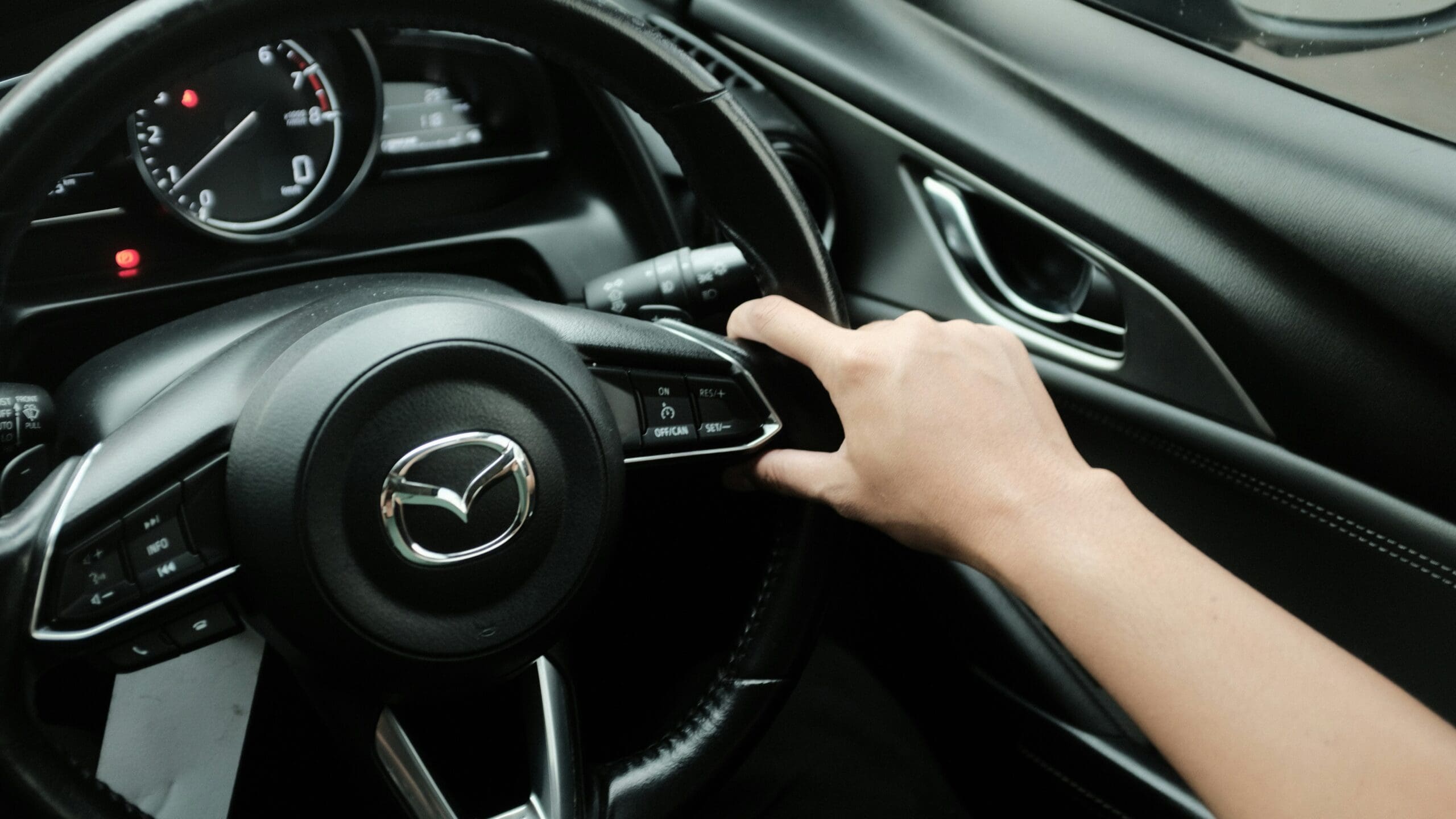
Understanding the Risks of Adaptive Cruise Control
Adaptive cruise control (ACC) is a technological advancement designed to ease the burden of long highway drives by automatically adjusting a vehicle's speed to maintain a safe distance from the car ahead. While it can reduce driver fatigue, there's growing concern that this feature might be leading to an unexpected problem: overconfidence behind the wheel. Federal research and insurance data highlight a gap between what ACC can actually do and what drivers expect it to handle, especially in challenging weather and traffic conditions.
How Drivers Learn to Use ACC
Automakers often assume that vehicle owners will read the manual before using advanced features like ACC. However, real-world experience shows that many drivers rely on a mix of owner’s manuals and on-road learning to understand how ACC works. This trial-and-error approach can be risky, as it involves testing system boundaries in live traffic rather than controlled conditions.
The National Highway Traffic Safety Administration (NHTSA) conducted a survey on ACC use among early adopters, revealing that drivers often encounter situations where the technology behaves unexpectedly. For example, a driver who assumes ACC will handle sudden slowdowns in stop-and-go traffic may not react in time when the system hands control back without sufficient warning. This learning curve shapes long-term habits, and if drivers develop flawed mental models of ACC, those assumptions can become dangerous when conditions change.
Weather and the Limits of Automation
One of the most misunderstood risks of cruise control, whether conventional or adaptive, involves weather. The City of Springfield, Missouri, issued a public safety advisory warning that many drivers are unaware that using cruise control in rain can lead to loss of vehicle control. On wet or icy surfaces, tires can lose traction, and cruise control may attempt to maintain speed by applying power to wheels that have already begun to slip, worsening a skid.
Adaptive cruise control adds radar or camera-based sensors to the equation, but these sensors also have blind spots. Rain, snow, and road spray can degrade their accuracy, causing the system to misjudge distances or fail to detect stationary objects. Drivers who have grown comfortable with ACC on dry pavement may not realize how quickly its reliability drops in poor visibility. Even light rain on a warm highway can create hydroplaning conditions, and any type of cruise control can worsen the outcome by keeping throttle input steady during a tire’s loss of contact with the road surface.
Insurance Data and Crash Risks
While laboratory testing and controlled track studies show ACC performing well, real-world insurance data tells a different story. A U.S. study reported by Reuters in 2021 found that adaptive cruise control increases crash risk. This research relied on insurance claims rather than simulated scenarios, offering a different evidence base than manufacturer safety testing.
The distinction between lab results and claims data is significant. Automakers validate ACC under tightly controlled conditions, such as clear weather and predictable traffic patterns. Insurance claims, however, reflect the reality of millions of drivers using the feature across various road conditions, weather, traffic density, and levels of driver attentiveness. This gap helps explain why a technology that tests well can still correlate with higher crash frequency in the field.
The Overconfidence Problem
A common thread in federal survey data, weather warnings, and insurance research is that drivers tend to trust ACC more than it warrants. This overconfidence is not irrational—ACC works smoothly the majority of the time, reinforcing a sense that the system has control. However, the small percentage of situations where ACC fails or behaves unexpectedly are precisely the high-stakes moments where human intervention is needed but often delayed.
This phenomenon, known as "automation complacency," is seen in aviation and industrial settings where operators gradually reduce their vigilance. In cars, the effect can be even more pronounced because most drivers receive no formal training on ACC. The NHTSA survey found that drivers learn ACC through a combination of manuals and road experience, but neither method systematically teaches users when and how to override the system in emergencies.
Bridging the Safety Gap
Reducing the risks associated with adaptive cruise control doesn’t mean abandoning the technology. Instead, it requires aligning driver expectations with system capabilities. Clearer in-vehicle messaging about when ACC may be impaired—such as during heavy rain or when sensors are obstructed—could help drivers recognize that the feature isn’t a universal solution.
Automakers and dealers can also play a role by offering brief, scenario-based explanations at the point of sale, emphasizing limitations rather than just convenience. Public agencies have started issuing targeted warnings about cruise control in bad weather, but these messages remain fragmented and easy to miss. Integrating similar cautions into driver education curricula, license renewal materials, and insurance communications could reach motorists before they face a high-risk situation.
Ultimately, the promise of adaptive cruise control is to make driving less tiring and more consistent, not to replace human judgment. As long as drivers continue to learn ACC primarily through trial and error, the system’s strengths will be accompanied by preventable crashes when conditions fall outside its comfort zone. Building a culture of informed, skeptical use—where drivers understand both the benefits and the boundaries of automation—may be the most effective way to keep a convenience feature from becoming a hidden hazard.
Post a Comment for "Cruise Control Dangers: How Misuse Increases Crash Risks"
Please Leave a wise comment, Thank you