Bluesound Pulse Flex Review: A Speaker That Falls Short on Bass
Bluesound Pulse Flex: A Two-Minute Review
The Bluesound Pulse Flex is a reboot of the brand’s 2018 wireless speaker. It offers hi-res playback and can be part of a multi-room setup, making it a direct competitor to the Sonos Era 100. But does it stand up to the entry-level option from Sonos? Let's take a closer look.
First off, the Pulse Flex handles the separation of various elements in the mix with impressive skill. Listening to Nervous Tics by Maribou State, I was impressed with how well it balanced each instrument, giving the guitar and arpeggiated synth plenty of space. The vocals always felt like they were given their due deference, sounding fantastically clear and soaring above the rest of the mix.
A big part of this is that the Pulse Flex dedicates plenty of space in the mix for the mids to express themselves, rather than boosting bass and treble as a cheap way of adding punch. Playing Cirrus by Bonobo, I was immediately struck by how energetic the Kalimba sounded and the satisfying resonance and reverb to the chimes. Honestly, its performance in this frequency range is as good as I’ve heard from any of the best wireless speakers in this price range.
That’s not to say it doesn’t have any sonic shortcomings though. For example, as it doesn’t have stereo drivers, it’s only capable of mono playback unless you pair it with another Bluesound speaker, meaning you’re not going to get as satisfying a soundstage as you might otherwise. The speaker’s also surprisingly quiet – I rarely need to run most speakers at more than 50% volume, whereas I had to crank the Pulse Flex at around 65% just to get a similar level of loudness out of it.
There are also some areas of the mix it handles less well than the mids. For example, when playing Us (Pola & Bryson Remix) by Alchemist, I was immediately struck by how subdued the sub felt, particularly compared to a more bass-heavy wireless speaker like the Sonos Era 100. On occasion, transients like hi-hats can also feel like they’re lacking in crispness and bite, suggesting the treble is a little muted.
Of course, this is where many speakers would fall back on their EQ settings as a defense, reasoning that at least you can compensate for their audio weaknesses here, should you wish. Unfortunately for the Pulse Flex, its EQ settings are seriously limited, only allowing you to boost or reduce bass or treble. It also doesn’t have any form of built-in room calibration, meaning it won’t compensate for unfavorable placement.
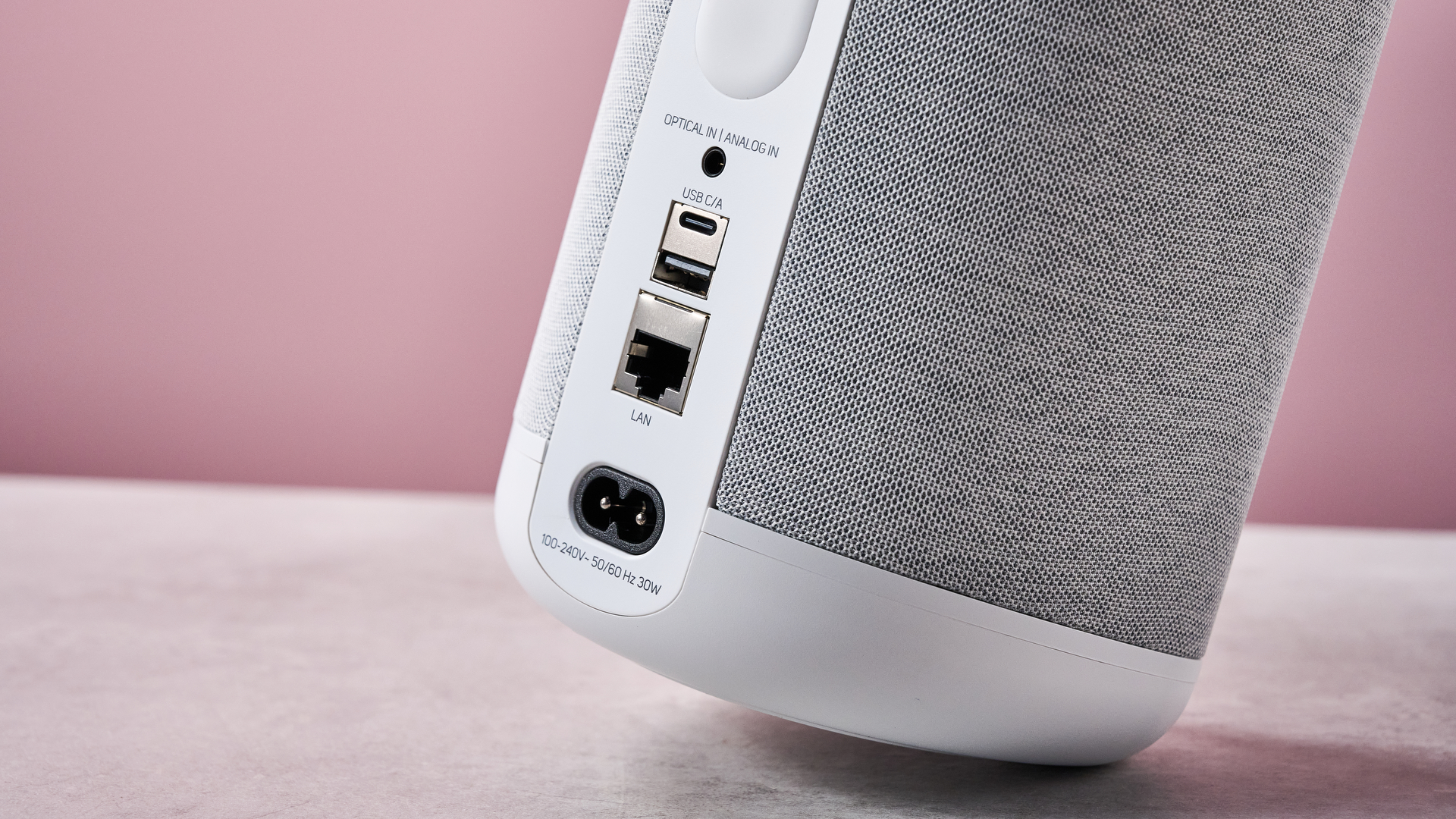
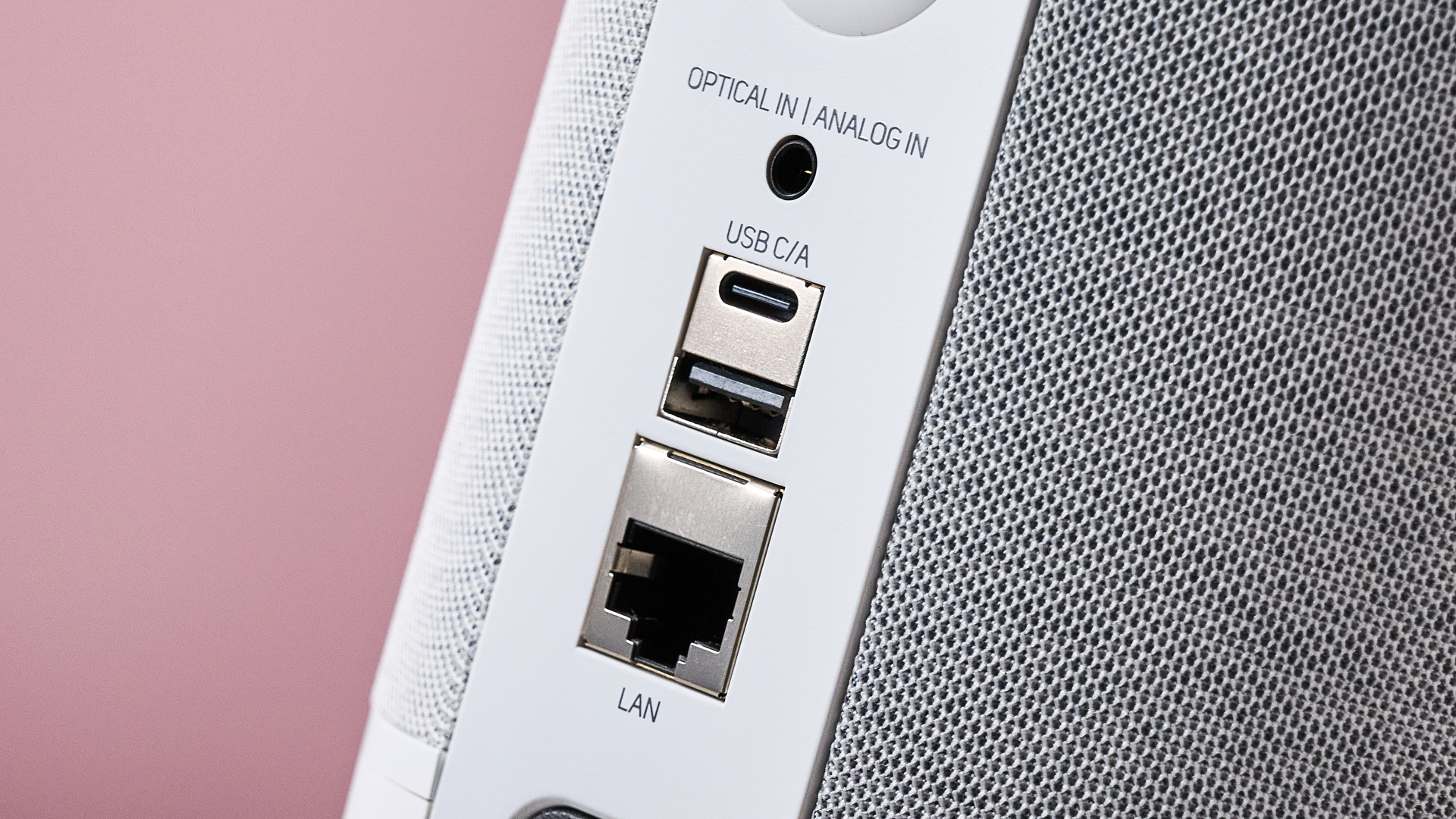
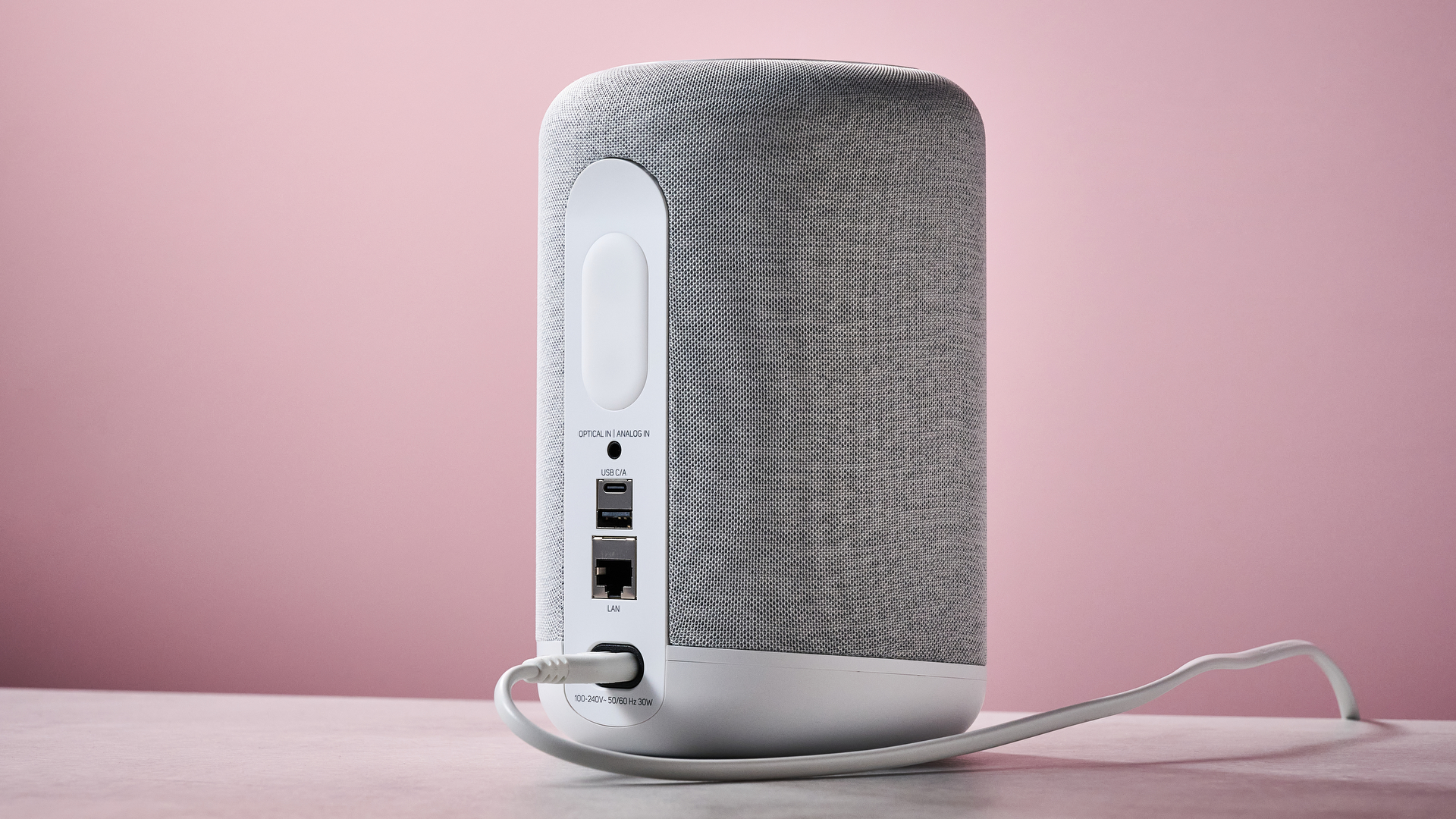
But while it’s a little lacking in audio features, it makes up for it in terms of connectivity options. Wireless options are impressive enough, with integrated streaming apps, AirPlay 2 and Bluetooth aptX HD. However, it’s the variety of wired inputs that really impressed me – it offers a staggering range for a speaker of this price, including a 3.5mm analog jack, optical in, USB for connecting external drives and USB-C for running a digital input from your PC or laptop.
Price and Availability
The Bluesound Pulse Flex was launched on December 16, 2025. It is available directly from Bluesound, as well as from third-party sellers such as Amazon. Its list price is $349 / £279, making it a shade more expensive than the Sonos Era 100, which originally had a list price of $249 / £249 before dropping down to $219 / £199.
For that price, you get your choice of three colorways: Black / Charcoal, White / Pebble Grey and the stunning looking White / Tan finish. Each speaker is mono though, so if you’re dead set on having a stereo, you’ll want to budget for two units, not just one.
Specifications
- Speaker drivers: 1 x 0.75-inch tweeter, 1 x 4-inch woofer
- Amplification: Smart DSP amplifier
- Dimensions: 5.15 x 7.73 x 4.37 inches / 131 x 196 x 111mm
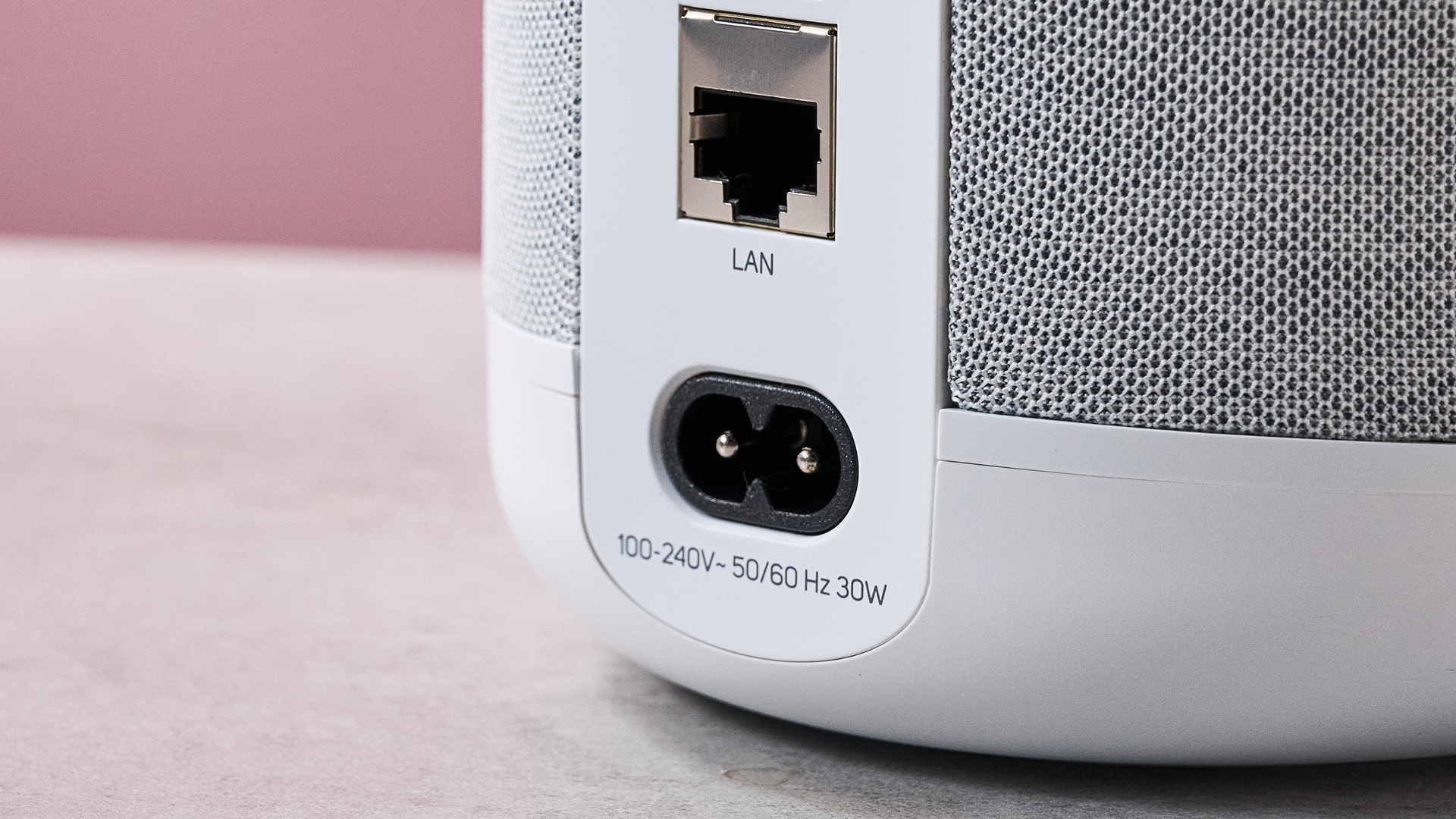
- Connectivity: Wi-Fi 5, Bluetooth 5.3 aptX HD, 3.5mm optical / analog combo, USB-C, USB-A, Ethernet
- Streaming support: BluOS app, Apple AirPlay 2, Spotify Connect, Tidal Connect, Qobuz Connect, Roon Ready
- Other features: Multi-room groups, loudness optimization, tone controls, replay gain, mono / left / right settings, volume limits
Features
The Bluesound Pulse Flex has a great range of connectivity options. It supports multi-room connectivity and hi-res audio at up to 24-bit/192kHz over Wi-Fi. It also offers Bluetooth aptX HD, meaning you can still stream in near lossless quality from devices that don’t offer AirPlay 2. Perhaps even more impressive, it offers a whole load of physical ports. Its optical and 3.5mm inputs allow you to hook up digital and analog sources with ease, while its USB-A port lets you play content from an external drive and its USB-C connection means you can stream digital audio straight from your laptop or PC.
Sound Quality
The Pulse Flex performs reasonably well in terms of sound quality, although it is lacking in one or two significant areas. On first playing, I was impressed with how gorgeously well-rounded the mid-range frequencies were. Playing No Skin by Frameworks, I loved how clearly expressed and resonant those mallet noises were, while the vocals soared clear of the mix. There’s a real warmth and presence to these frequencies that suggest the Pulse Flex doesn’t scrimp in the lower-mid range, a real pet peeve of mine.
When it comes to bass though, it’s immediately apparent that something is lacking. Spinning Us (Pola & Bryson Remix) by Alchemist, I was pleased to hear that the torn edges of its distorted bassline had a real sense of definition when they ripped right up into the lower mids. But there’s often a palpable void where the sub would be, making you keenly aware you’re hearing a reproduction of the recording, rather than a perfect facsimile.
Design
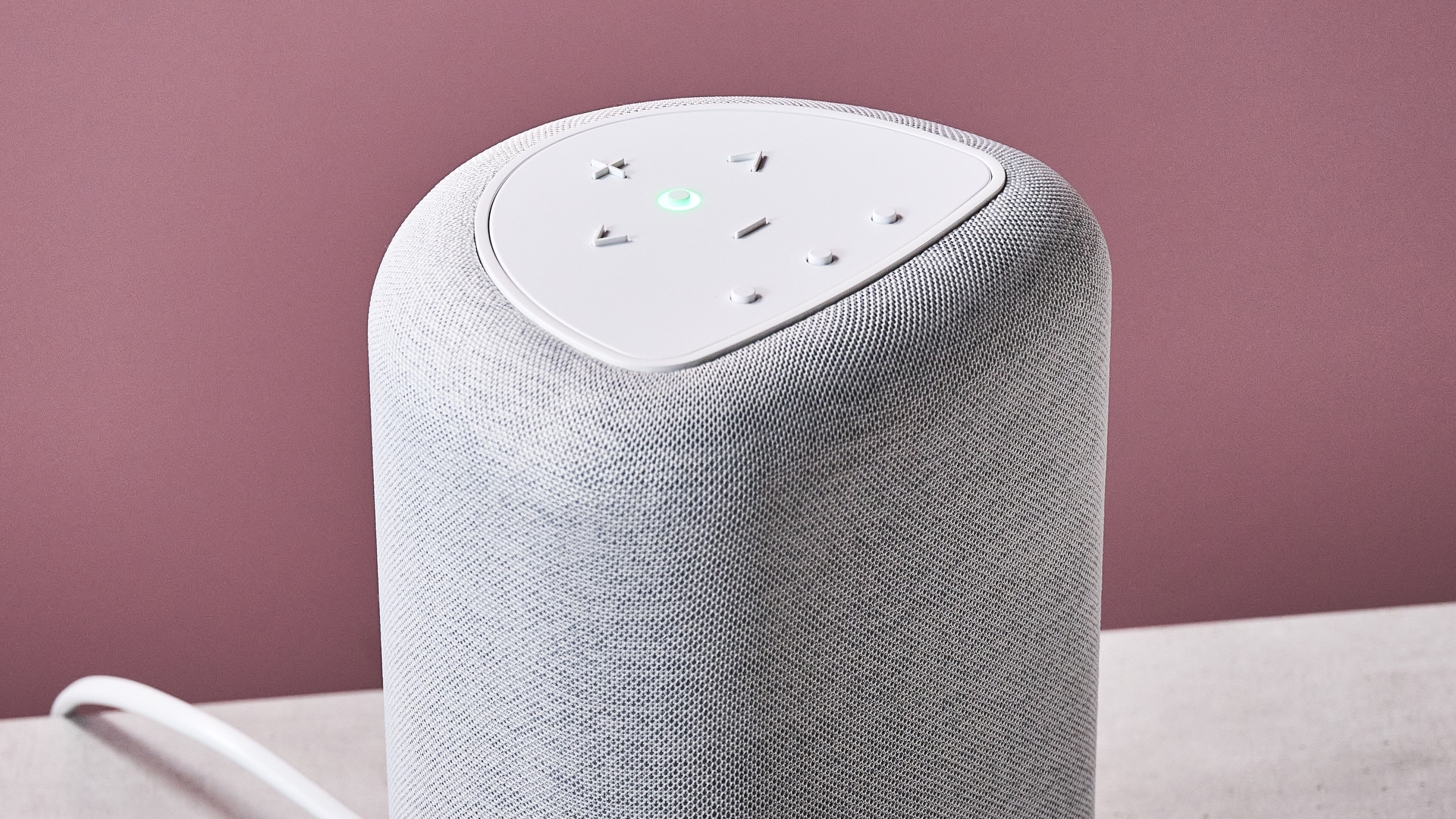
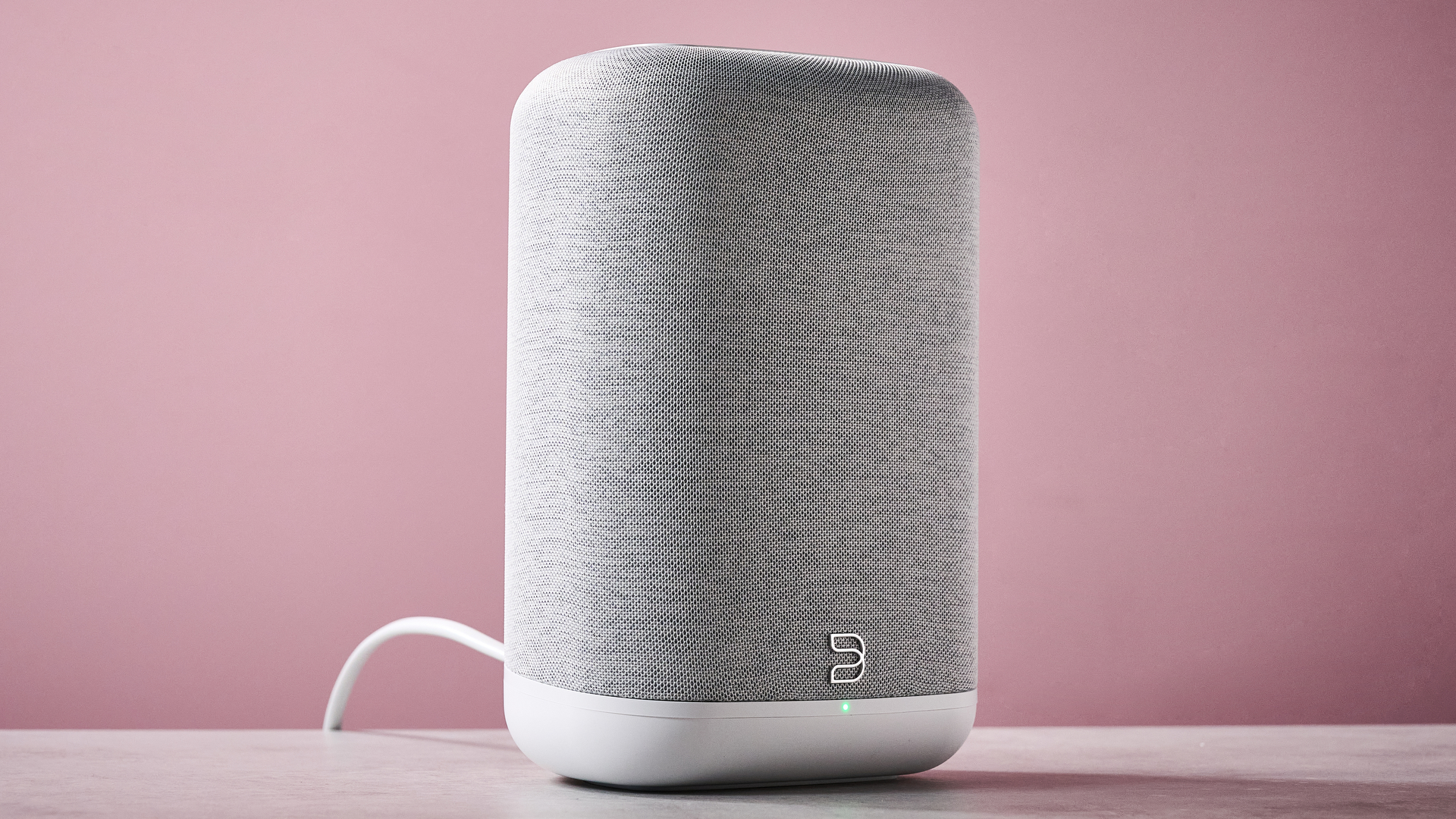
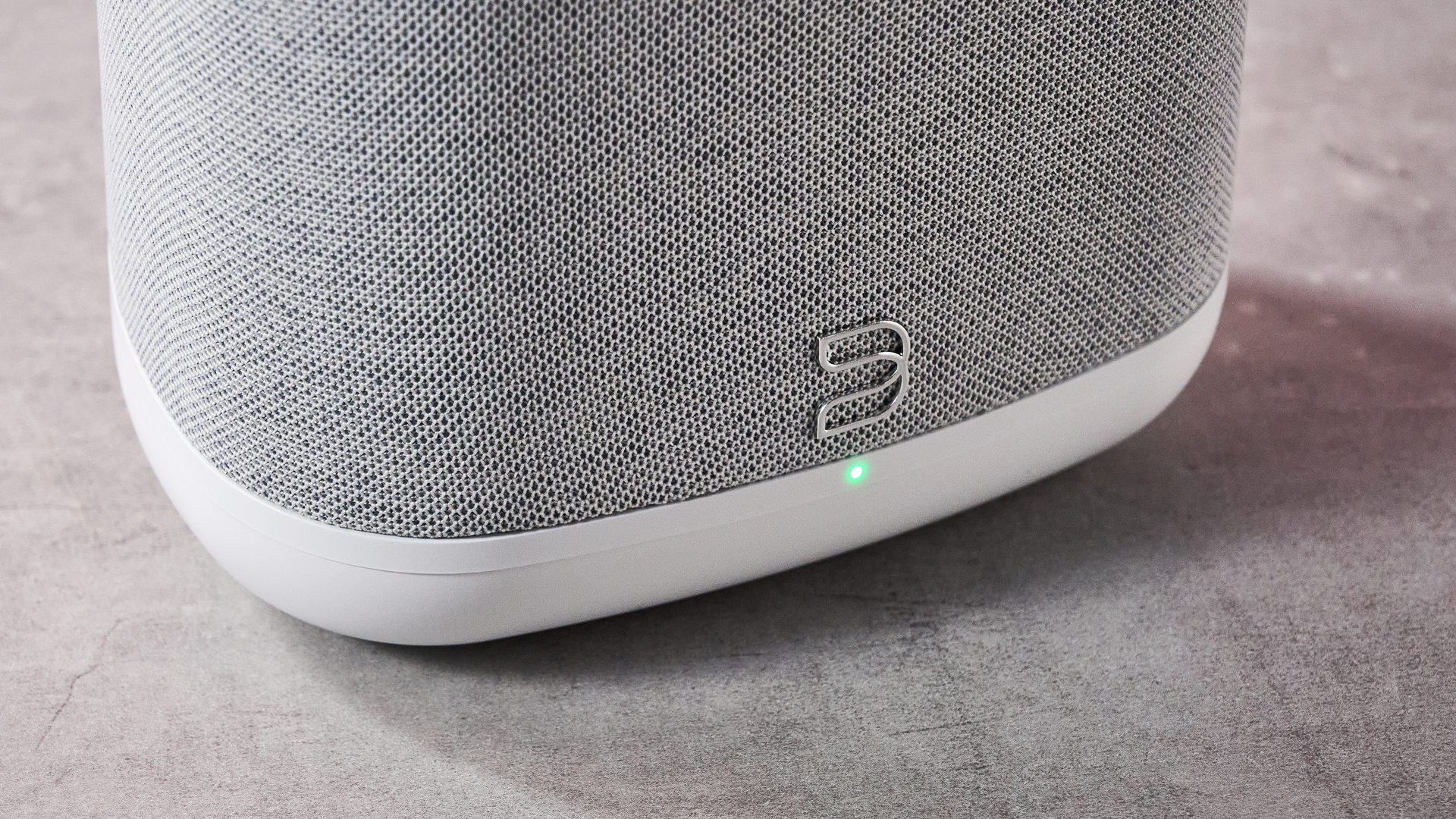
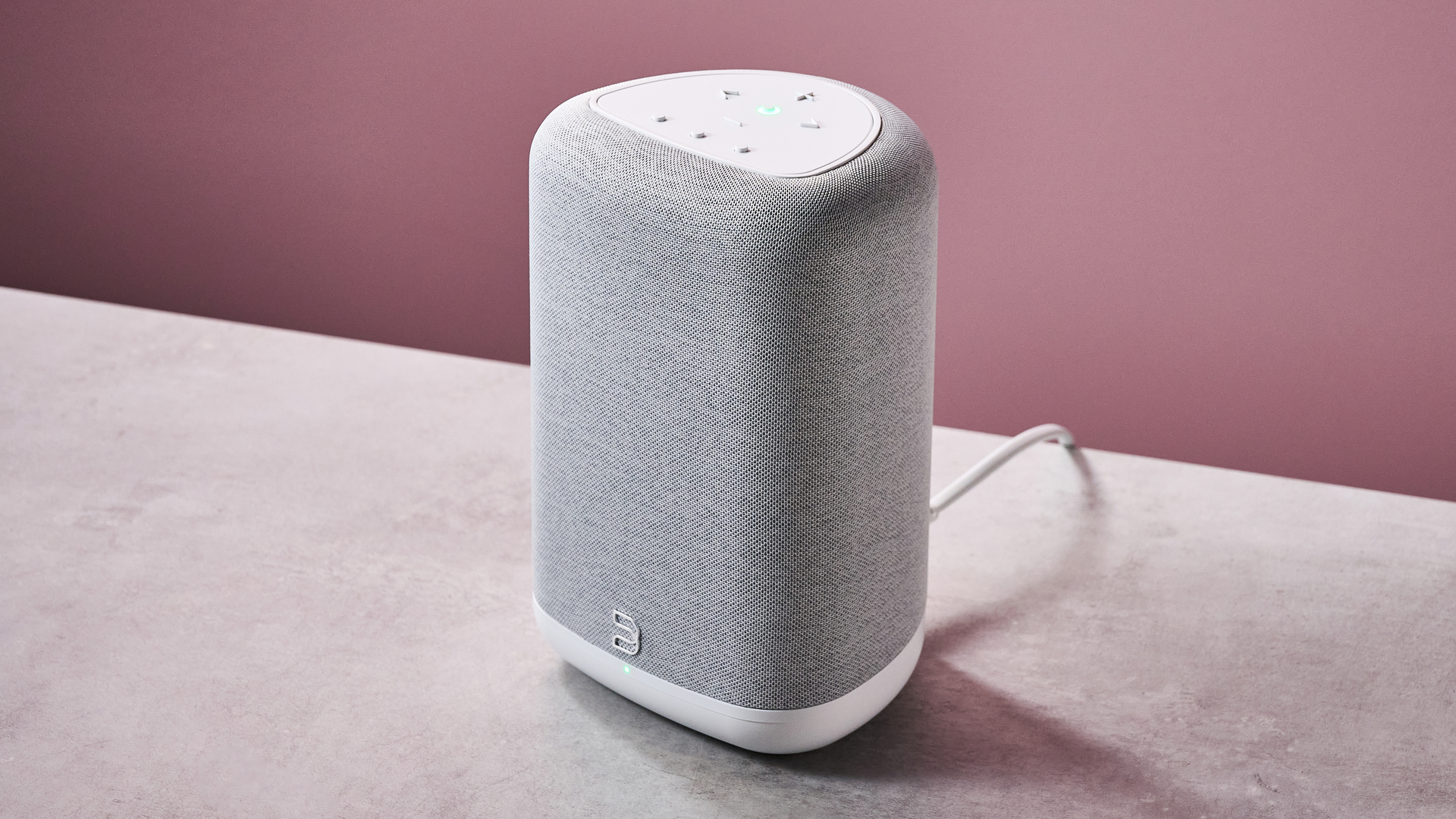
The design of the Bluesound Pulse Flex is unique and chic. It eschews the basic cylinder shape that’s become almost ubiquitous in wireless speakers at this price point. Instead, it has a flattened front face – from above, its cross-section gave me gumdrop vibes – making it perfect for nestling into a corner and projecting its sound into the room. Its Lilliputian size and lightweight build make it easy to move around.
Should I Buy the Bluesound Pulse Flex?
- Features: Excellent connectivity like Bluetooth aptX HD, analog / optical in and USB-C. But EQ settings are very basic and there’s no room tuning. Score: 3.5 / 5
- Sound quality: Offers hi-res, dynamic sound with well-rounded mids. Bass is a little lacking though and it’s quieter than most speakers. Score: 4 / 5
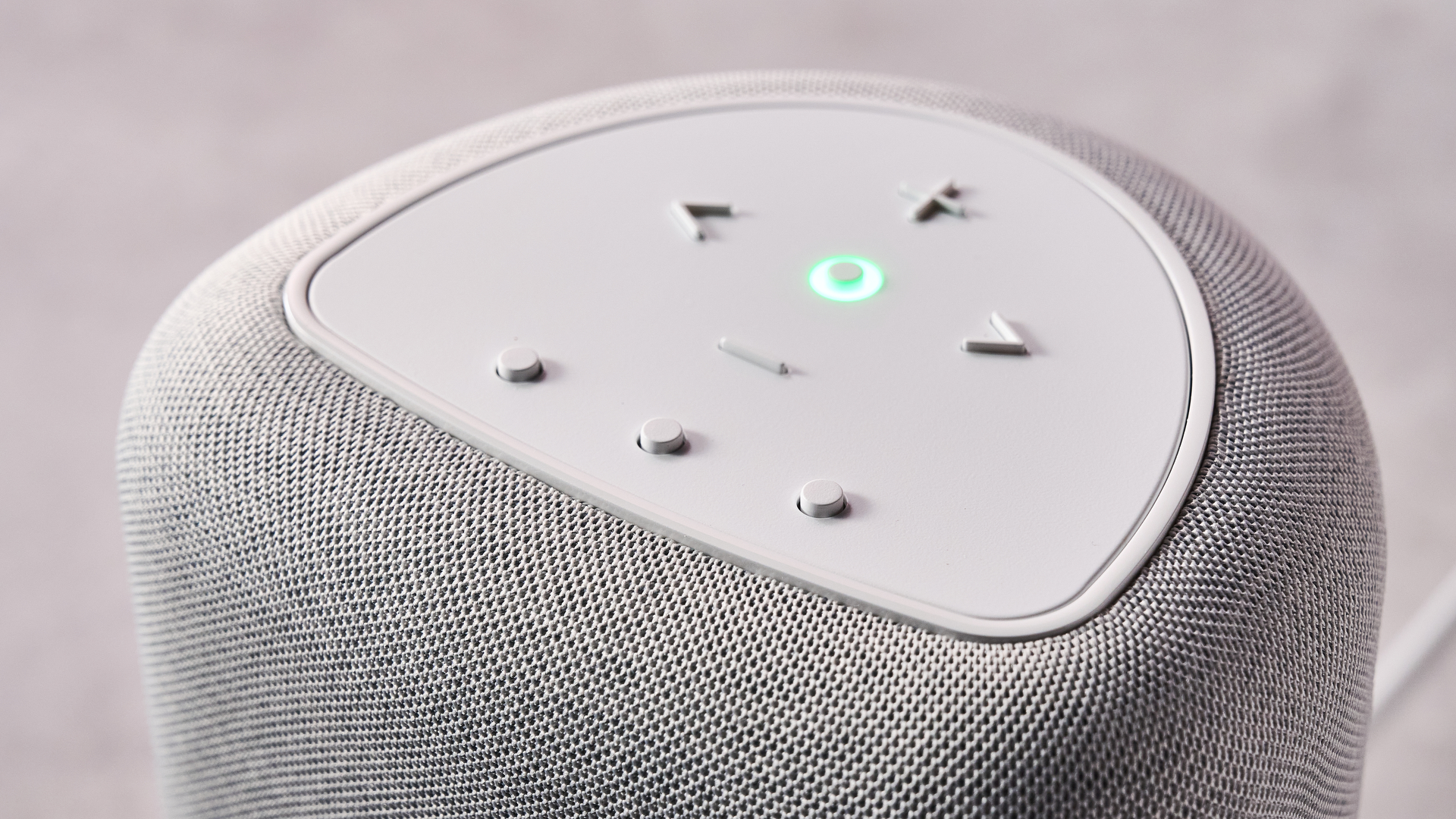
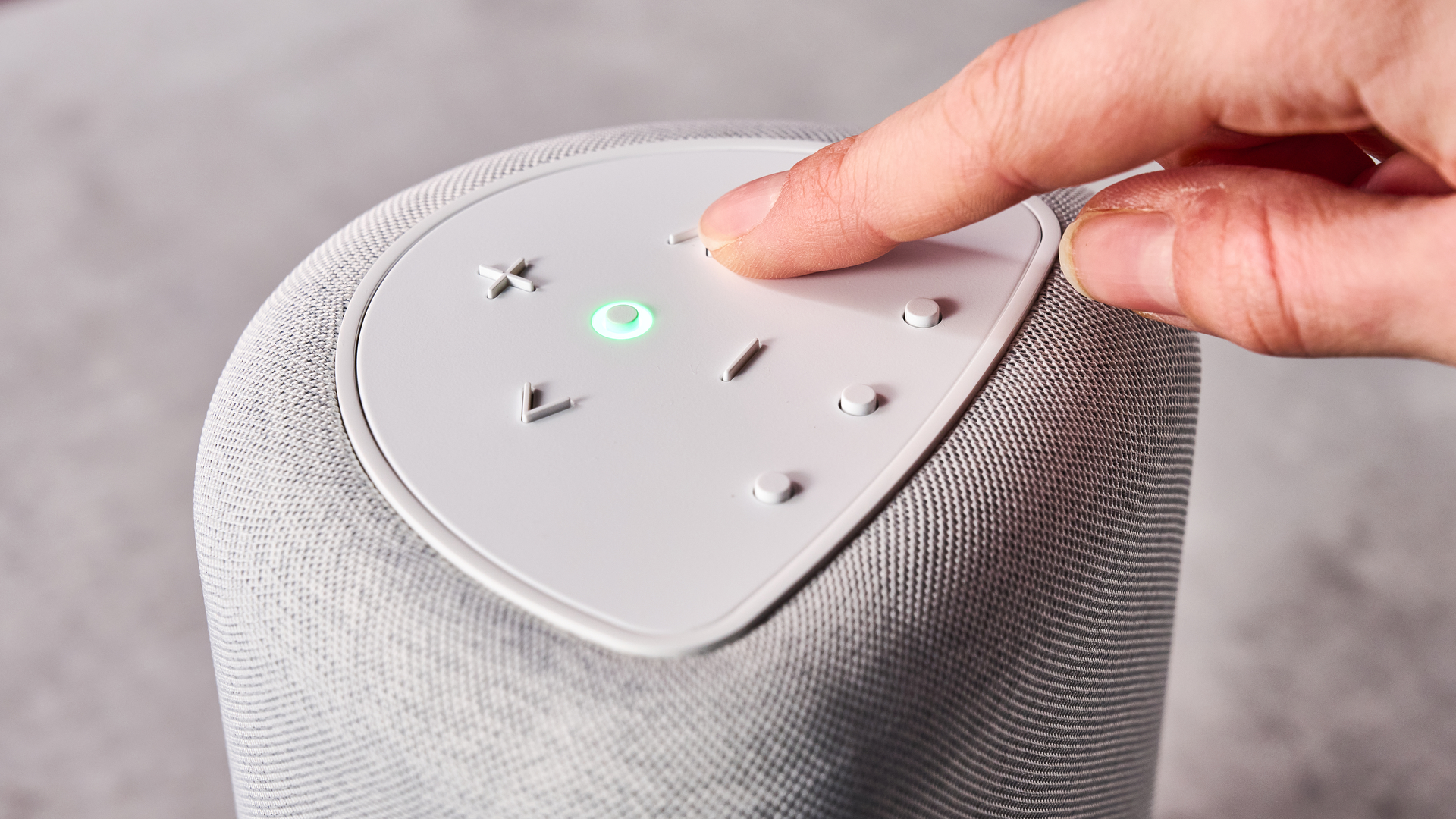
- Design: Lightweight, attractive design with some gorgeous colorways on offer. Buttons work well, although feel less tactile than they could be. Score: 4 / 5
- Value: Fairly reasonable price for its quality, although it’s more expensive than the Sonos Era 100, while not offering substantially better sound. Score: 3.5 / 5
Buy it if…
- You want polished sound
- Not only is the Pulse Flex capable of hi-res playback but it has a pretty polished mid-range, making many instruments and vocals in particular shine.
- You want to connect a lot of sources
- The Pulse Flex offers a seriously broad range of connectivity options on top of its wireless connectivity, including a 3.5mm jack, optical in, and USB-A and USB-C ports.
Don’t buy it if…
- You’re a bass fanatic
- The Pulse Flex is a little lacking in the low end. So if you’ve got a soft spot for sub-bass frequencies, it’s probably not going to scratch that itch.
- You want advanced sound features
- Not only does the Pulse Flex swerve any room calibration tech, but its EQ settings are really quite basic, only allowing you to boost or reduce bass or treble.
Also Consider
Bluesound Pulse Flex vs. Sonos Era 100
| Attribute | Bluesound Pulse Flex | Sonos Era 100 |
|---|---|---|
| Speaker drivers | 1 x 0.75-inch tweeter, 1 x 4-inch woofer | 2x tweeters, 1x midwoofer |
| Amplification | Smart DSP amplifier | 3x Class D amps |
| Dimensions | 5.15 x 7.73 x 4.37 inches / 131 x 196 x 111mm | 4.72 x 7.18 x 5.14 inches / 120 x 183 x 131mm |
| Connectivity | Wi-Fi 5, Bluetooth 5.3 aptX HD, 3.5mm optical / analog combo, USB-C, USB-A, Ethernet | Wi-Fi 6, Bluetooth 5.0, USB-C (3.5mm line-in and Ethernet via adapter) |
| Streaming support | BluOS app, Apple AirPlay 2, Spotify Connect, Tidal Connect, Qobuz Connect, Roon Ready | Sonos app, Apple AirPlay 2 |
| Other features | Multi-room groups, loudness optimization, tone controls, replay gain, mono / left / right settings, volume limits | Sonos multi-room control, Sonos home theater option, stereo pair option |
The Sonos Era 100 is marginally more affordable than the Pulse Flex, and it serves up substantial bass and a lively, dynamic sound. While not quite as spacious-sounding as the Flex, it does offer more presence, not to mention stereo sound, making it a good choice if your priority is hefty sounding music with a substantial soundstage.
How I Tested the Bluesound Pulse Flex
I tested the Bluesound Pulse Flex over the course of a week. To put it through its paces, I played a diverse range of music across many genres, including pop, classic rock, melodic techno and drum and bass. This helped me assess its performance in different frequency bands and ascertain how well it conveyed sparser and busier mixes.
To really get a picture of how it handled different quality recordings, I played music at a range of qualities, from Tidal's hi-res tier to basic AAC files. I also made sure to try out a range of connectivity options, whether that was integrated streaming apps, AirPlay 2 or via Bluetooth.
In terms of my experience, I've been testing speakers for around six years. On top of this, I use a wide range of audio gadgets on a daily basis at home. I also produce music as a hobby, giving me a keen understanding for assessing the balance of frequencies and weighing up the expression of various elements of a recording.
Final Thoughts
The Bluesound Pulse Flex is an effective speaker for its $349 / £279 price. It offers excellent resolution and handles crowded mixes pretty deftly, as well as making vocals and other mid-range elements shine. Unfortunately, it does lack where sub is concerned and offers too few sound-tweaking features though, so if you’re into a bassier sound or just like tailoring audio to suit your preferences, you might be better off with one of the best wireless speakers instead.
Post a Comment for "Bluesound Pulse Flex Review: A Speaker That Falls Short on Bass"
Please Leave a wise comment, Thank you