Anthropic Sues U.S. Government Over Supply Chain Risk Label
The Legal Battle Over AI and National Security
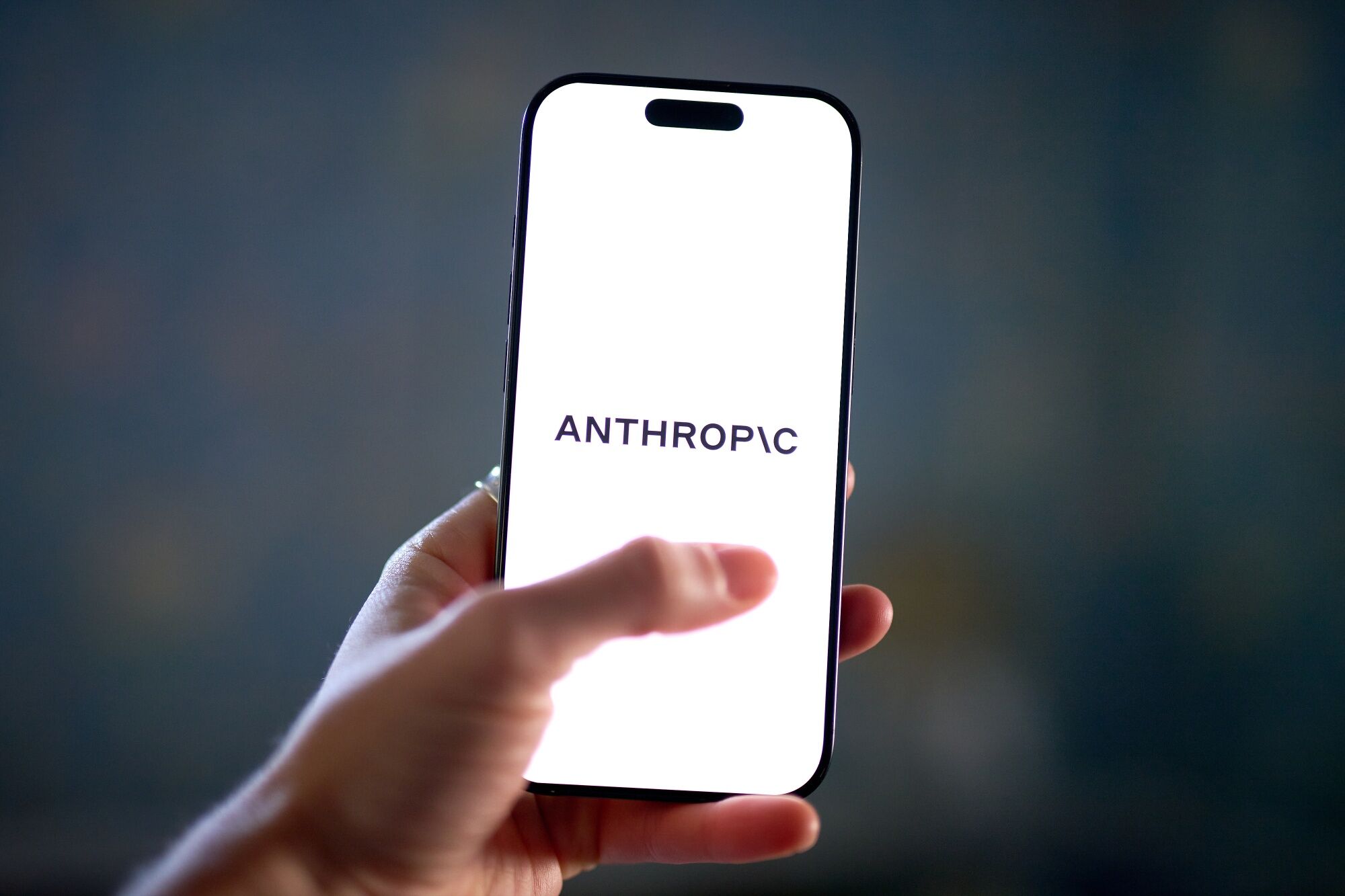
Anthropic PBC, a prominent artificial intelligence company based in San Francisco, has taken legal action against the U.S. Department of Defense over its decision to label the firm as a risk to the nation's supply chain. This move has intensified an ongoing conflict between the company and the Pentagon regarding the safeguards on Anthropic's technology.
The company is challenging a decision made by the department and other federal agencies to shift their AI work to alternative providers. This risk designation is typically reserved for companies from countries that the United States views as adversaries. Anthropic is seeking a court ruling to remove this designation and to have government directives related to it revoked. The company argues that it is being excluded due to its disagreement with the administration and claims that the legal principles involved affect all federal contractors who hold views the government dislikes.
In its complaint filed in a San Francisco federal court, Anthropic described the actions as "unprecedented and unlawful." The company asserts that its business is under threat and that the Constitution does not permit the government to use its power to punish a company for its protected speech.
Last week, the Pentagon formally notified Anthropic of its determination. CEO Dario Amodei responded by stating that the government’s actions were not "legally sound" and left the company with "no choice but to challenge it in court."
According to the complaint, the government’s actions are causing "irreparable harm" to Anthropic, casting doubt on its contracts with private firms and potentially jeopardizing hundreds of millions of dollars in the near term. The dispute escalated after the Pentagon wanted to use Claude for any purpose within legal limits without any usage restrictions from Anthropic. The firm had insisted that the chatbot not be used for mass surveillance against Americans or in fully autonomous weapons operations.
In response, Defense Secretary Pete Hegseth ordered the Pentagon to bar its contractors and their partners from any commercial activity with Anthropic. He also set a six-month period for Anthropic to hand over AI services to another provider.
Donald Trump criticized Anthropic on his Truth Social network, calling the company's actions a "DISASTROUS MISTAKE." He directed US government agencies to stop using Claude.
The company's lawsuit names the Department of War, which the Trump administration uses to describe the Department of Defense, as well as more than a dozen other federal agencies.
The White House defended the administration’s actions, stating that President Trump will never allow a radical left, woke company to jeopardize national security by dictating how the military operates. They emphasized that the administration is ensuring America’s warfighters have the appropriate tools they need.
The Department of Defense did not respond to a request for comment on the lawsuit.
AI and Ethical Considerations
Anthropic stated in the complaint that it imposed "usage restrictions" based on the company's "unique understanding of Claude’s risks and limitations." These include the chatbot's capacity to make mistakes and its ability to accelerate and automate analysis of massive amounts of data, including data about American citizens.
A joint letter to the court from dozens of AI scientists and researchers from OpenAI and Google — competitors and, in Google’s case, also an investor — expressed support for Anthropic. They argued that existing AI systems cannot "safely or reliably handle fully autonomous lethal targeting" and should not be available for domestic mass surveillance of the American people.
The group, which included Google Chief Scientist Jeff Dean, warned that the government’s actions would have consequences for the United States’ industrial and scientific competitiveness in the field of artificial intelligence.
As part of its challenge to the US government, Anthropic also filed a complaint in an appellate court in Washington, DC, focusing on a law governing procedures for mitigating supply-chain risks in procurement. In that suit, the company claimed the Defense Department exceeded its authority with actions that were "arbitrary, capricious and an abuse of discretion."
Market Response and Industry Implications
In the days after the department first announced its risk designation, consumers drove "unprecedented demand" for Anthropic’s chatbot Claude in a show of support for the company's resistance to the government push for unfettered use of its technology.
Meanwhile, rival OpenAI announced it had struck an agreement to let the Pentagon deploy its artificial intelligence models in its classified network. OpenAI chief Sam Altman later said he was working with the Defense Department to add more guardrails around surveillance.
Founded in 2021 by former OpenAI employees, Anthropic quickly became a rival to the ChatGPT maker with Claude, which it billed as more safety- and business-focused. Today, the San Francisco-based company has more than 300,000 business customers who use its models to streamline workplace responsibilities, particularly in the field of computer programming where it has emerged as a market leader with its AI coding assistant, Claude Code.
Anthropic started the year on a winning streak, with surging sales, multiple viral products, and a large funding round — all giving the startup a big advantage in the costly global AI race.
But its future is uncertain since its relationship with the Pentagon imploded in late February — just before the US attacked Iran in a major Middle East military operation.
Some legal and policy experts warned that the fallout from the government’s declaration would be dire.
Jennifer Huddleston, a senior fellow at the Cato Institute, said the case goes well beyond a contracting dispute and poses a risk to freedom of speech.
"The designation and attempts to blacklist the company from other aspects of the government go far beyond the scope of what would be considered least restrictive means even if there are security concerns about the further use of the product," Huddleston said in a statement.
The case is Anthropic v. US Department of War, 26-cv-01996, US District Court, Northern District of California (San Francisco).
Post a Comment for "Anthropic Sues U.S. Government Over Supply Chain Risk Label"
Please Leave a wise comment, Thank you