3 Pros and 2 Cons of Switching to a Projector
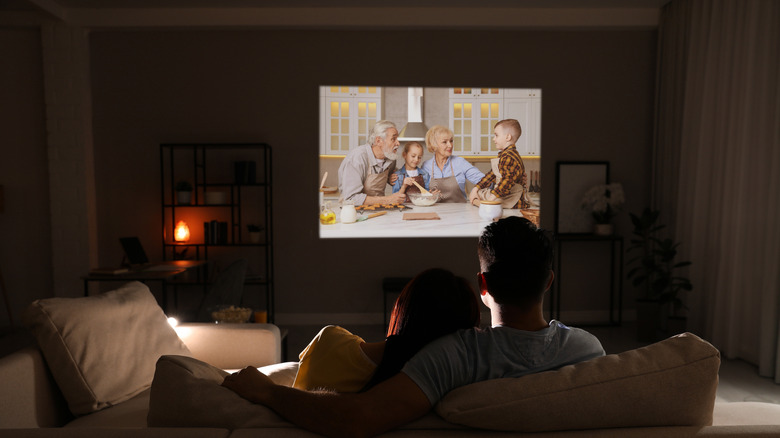
When it comes to creating the perfect home entertainment setup, TVs and projectors are two of the most popular choices. Whether you're looking to binge your favorite shows, play video games, or enjoy a cinematic experience from the comfort of your living room, both options have their own unique advantages and drawbacks. However, choosing between a TV and a projector isn't always straightforward, especially when considering factors like screen size, budget, and space.
If you're looking for a massive display, a projector might be the way to go. While large TVs are available in sizes up to 90 inches or more, the options become more limited as you move into the 100-inch range. Projectors, on the other hand, can easily throw images that are 100 inches or larger, giving you more flexibility in terms of hardware choices. Some models even offer screens that reach up to 200 inches, which is something most consumer-grade TVs can't match. Additionally, projectors are often more portable, making them ideal if you plan to move or rearrange your setup.
Another major advantage of projectors is cost. High-end TVs in the 90-inch-plus range can be quite expensive, with some models costing thousands of dollars. Even entry-level 100-inch TVs can start at around $2,500, and prices increase rapidly as you go beyond that. In contrast, projectors can offer similar or better visual quality at a lower price point. There are affordable models under $3,000 that deliver excellent picture quality, and even more budget-friendly options under $1,000. When paired with a projector screen, which can range from $130 for basic models to over $2,000 for high-end setups, projectors can provide a great value for money.
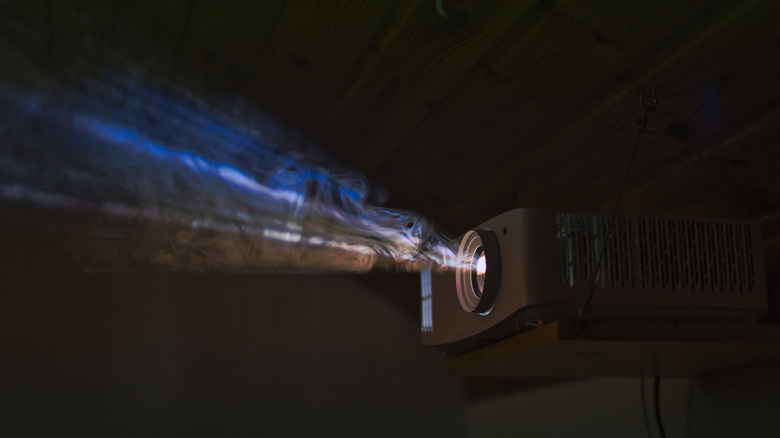
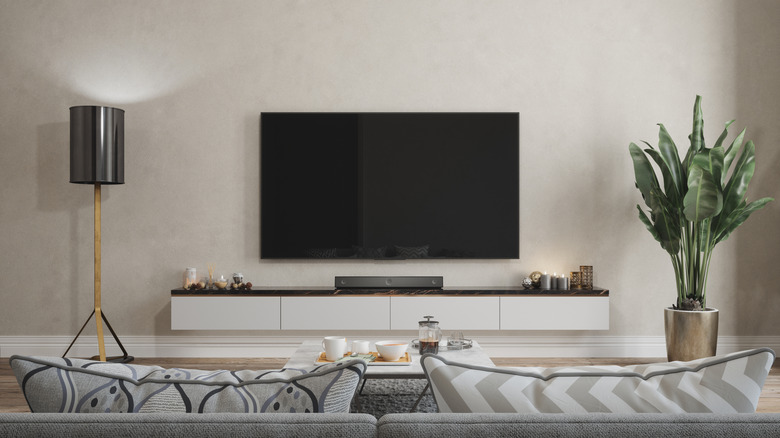
Projectors also take up less physical space compared to large TVs. TVs often require a significant amount of room, especially when they’re mounted on the wall or placed on a stand. This can make it difficult to arrange furniture and decor without cluttering the area. Projectors, on the other hand, are typically smaller and can be mounted on the ceiling or placed on a table. Short-throw models, such as ultra-short-throw (UST) projectors, only need a few feet of space to project a large image, making them ideal for smaller rooms.
Despite these benefits, there are some downsides to consider. One of the main limitations of projectors is their brightness and HDR capabilities. TVs equipped with technologies like Mini LED, local dimming, and quantum dots can achieve much higher peak brightness levels, making them more suitable for viewing in well-lit environments. Projectors, especially those without ambient light absorption screens, may struggle to maintain image quality during the day. Additionally, some projectors may not support all HDR formats, which could be a concern for viewers who prioritize wide color gamuts and contrast levels.
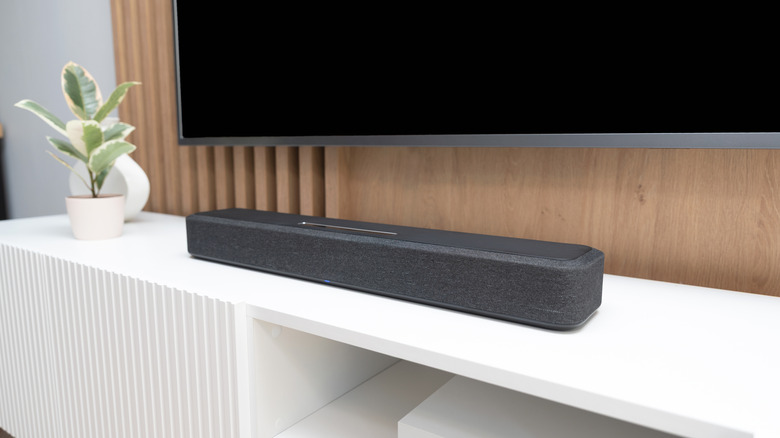
Audio is another area where projectors may fall short. Most projectors come with built-in speakers that are not as powerful or immersive as those found in modern TVs. If you're using a projector located at the back of the room, the sound may not reach the audience effectively. To overcome this, you’ll likely need to invest in a soundbar, external speakers, or a surround sound system. This adds extra costs and complexity to the setup, including the need for cables and proper placement.
In summary, projectors offer several advantages, including larger screen sizes, cost-effectiveness, and space-saving designs. However, they also come with challenges related to brightness, HDR support, and audio quality. Whether a projector is the right choice for you depends on your specific needs, budget, and viewing environment. With careful consideration, a projector can be a fantastic addition to any home theater setup.

Post a Comment for "3 Pros and 2 Cons of Switching to a Projector"
Please Leave a wise comment, Thank you